
Latest News
 Concord High graduate leads Pro-Palestine protests at Brown Univeristy
 US poised to ease restrictions on marijuana in historic shift, but it'll remain controlled substance
 Police: Man assaulted by suspect with handgun at food pantry
 Former office manager for Dartmouth student newspaper pleads guilty to embezzlement
 Citing lack of assets to pay creditors, LEAF motions to dismiss bankruptcy case
 Community members come together to clean up Tilton cemetery after vandalism
 House Republicans recommend eliminating most of anti-hunger bill
 Opinion: A veteran, father, and coach’s plea to reject homophobic laws
 High schools: MV track piles up wins in quad meet, plus more results from Tuesday

A time capsule to remember when the sun disappeared for 3 ½ minutes
You just knew that Rik Yeames had one last solar-eclipse extravaganza in him.Yeames has spent more than five years getting New Hampshire excited about the eclipse we just experienced – the Monitor first wrote about his efforts in March 2019 – so it’s...

Spring sprouts downtown: outdoor dining, farmers market, First Friday
Just as warm weather finally arrives in Concord, more than flowers will be blooming downtown this week: outdoor dining has returned, the Concord Farmers’ Market will officially launch for the season and this month’s First Friday will bring a boom to...
Most Read
 Kenyon: What makes Dartmouth different?
 On the trail: NH Democrats quietly hold second presidential primary
 Hometown Heroes: Couple’s sunflower fields in Concord reconnects the community to farming
 High schools: Monday’s baseball, softball, lacrosse and tennis results
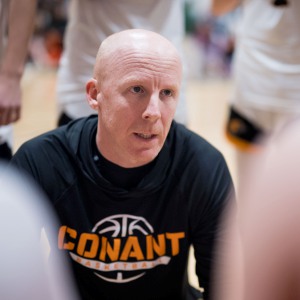 Conant’s Saucier moving over to Bow
 Man apparently went hiking in Crawford Path 2 weeks ago but hasn’t been found
Editors Picks
 What’s in a name? Ask an Epsom Yeaton.
 Downtown cobbler breathes life into tired shoes, the environmentally friendly way
 People of color incarcerated at higher rates in New Hampshire, but data is limited
 Former Concord firefighter sues city, claiming years of homophobic sexual harassment, retaliation

Sports
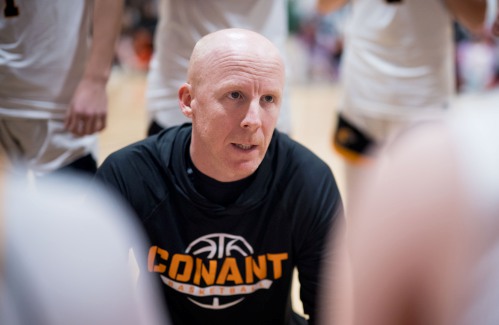
Conant’s Saucier moving over to Bow
For the first time in nearly two decades, Eric Saucier will not be on the sidelines with Conant High boys’ basketball next winter.The longtime Orioles head coach has accepted the boys’ basketball head coaching job at Bow High School, Saucier confirmed...
 High schools: Monday’s baseball, softball, lacrosse and tennis results
 Track: Concord girls win 46-team Black Bear Invitational, Goulas and Twite sets meet records in triple jump
 High schools: Bow track sweeps 4-team meet at Pembroke
 High schools: Concord girls’ lax picks up first win, Tide softball handed first loss in pitchers’ duel
Opinion

Opinion: In the debate on Medical Aid in Dying, facts matter
Steven M. Gordon lives in Hopkinton and is senior counsel to Shaheen & Gordon. A recent Concord Monitor Letter to the Editor argued that the passage of the bipartisan NH End of Life Options Act (HB 1283) that would allow medical aid in dying as an...
 Opinion: Ensuring access to banking for all NH communities
 Opinion: No, Republicans are not better on the economy
 Opinion: Campus chaos and America’s character
 Opinion: Learning from landscapes

Politics

Charities will not have to pay rent to casinos under new law
Deb Leahy can finally breathe easy, freed from the fluctuating rental fees each time her organization partners with a New Hampshire casino for donations.Thanks to a new law, casinos are now prohibited from imposing rent charges on charities for...
 Sununu says he’ll support Trump even if he’s convicted
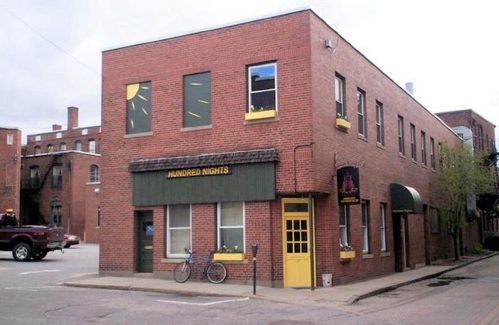 NH mayors want more help from state on homelessness prevention funds
 Two democrats with parallel views run for same State Senate seat
 House passes bill removing exceptions to state voter ID law
e-Edition
Arts & Life

PILLAR Gallery + Projects opens fourth exhibition in Concord
PILLAR Gallery + Projects is a new exhibition space in Concord. Their fourth exhibition, Into The Ether, will be on view until June 7.Into the Ether, focuses on the nebulous and ephemeral — in hazy, high-key abstraction, airy pastels and immersive...
 Concord Community Music School presents Bach’s Lunch: Hildaland
 Concord Chorale presents ‘The Armed Man: A Mass for Peace’ by Karl Jenkins
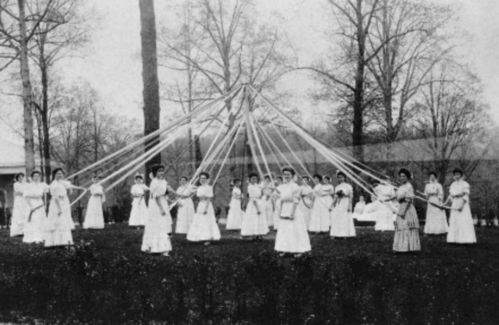 Vintage Views: Our beloved May Day with dancing, horn blowing
 Homeyer: Tips for planning a successful garden
Obituaries
 Judith Ann Landry
Interlachen, FL - Judith Ann Landry passed away on April 16 2024 at the age of 77 at Haven Hospice in Palatka Florida. Judy was born on December 16 1946 to Paul and Arlene (Tyrer) Landry. She was a graduate of Franklin High class of 64.... remainder of obit for Judith Ann Landry
 William Charles Willey
Minneapolis , MN - Bill Willey passed away on April 29, 2024 at the Minnesota Veterans Home in Minneapolis, MN where he resided for many years. He was born in Concord on January 2, 1946, the son of Bernice (Heath) Willey and Ellery Will... remainder of obit for William Charles Willey
 Robert A. York
Greenfield, MA - Robert A. York passed away peacefully on April 24, 2024 at his home in Greenfield, MA, surrounded by his wife and children. He was 77 years old. Bob had been battling 5 unrelated cancers since 2008. He was born on Febru... remainder of obit for Robert A. York
 Jan Stenbak
Westbrook, ME - Janis Marie (Parr) Stenbak, age 79, passed away April 18, 2024 in Westbrook, ME. A longtime resident of Nashua, NH, Jan also lived in New York, Washington State, and Sanandaj, Iran. Jan is survived by sons Saul Stenbak ... remainder of obit for Jan Stenbak

