
Latest News
 Educators, politicians call for passage of bill that would increase state funding for schools
 Senate holds hearing on trans sports ban bill
 NHTI to treat Medicaid dental patients after $500,000 donation
 New Hampshire Hospital’s Clinton Street entrance closed due to facility expansion
 Man apparently went hiking in Crawford Path 2 weeks ago but hasn’t been found
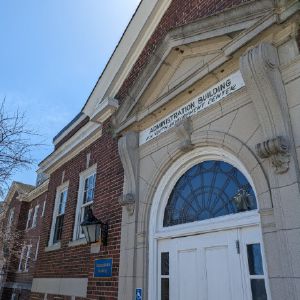 Former YDC teacher says she reported abuse to DCYF, but never heard back
 No movies at the drive-in this summer
 Colby-Sawyer president announces plan to depart
 Students protest war in Gaza, criticize KSC's response to the conflict

NH Center for Justice and Equity releases policy goals to address racial disparities
New Hampshire has the lowest poverty rate in New England, yet Black residents in the state are three times more likely to live below the poverty line than their white neighbors.For every $1 a white Granite Stater makes, their Black counterpart is paid...

Girls’ lacrosse: Experience has Merrimack Valley near the top of Division II
PENACOOK — Last year, after getting off to a 5-2 start, the Merrimack Valley girls’ lacrosse team dropped four of its last seven games and slid down to the No. 8 seed in Division II. Currently 5-1 after a 14-3 win over Kingswood on Monday, head coach...
Most Read
 Hometown Heroes: Couple’s sunflower fields in Concord reconnects the community to farming
 Boscawen resident takes issue with proposed town flag designs
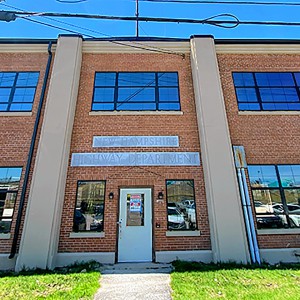 Storm drain issue stalls Stickney Ave housing project
 Getaway driver in Winnipesaukee hit-and-run arrested
 On the trail: NH Democrats quietly hold second presidential primary
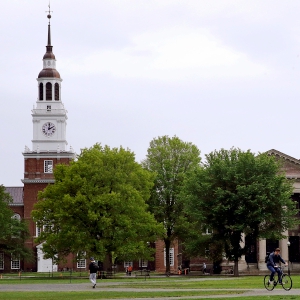 Kenyon: What makes Dartmouth different?
Editors Picks
 What’s in a name? Ask an Epsom Yeaton.
 Downtown cobbler breathes life into tired shoes, the environmentally friendly way
 People of color incarcerated at higher rates in New Hampshire, but data is limited
 Former Concord firefighter sues city, claiming years of homophobic sexual harassment, retaliation

Sports
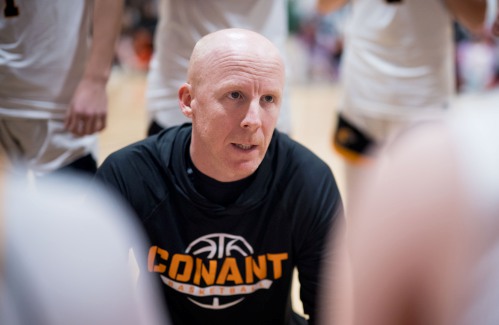
Conant’s Saucier moving over to Bow
For the first time in nearly two decades, Eric Saucier will not be on the sidelines with Conant High boys’ basketball next winter.The longtime Orioles head coach has accepted the boys’ basketball head coaching job at Bow High School, Saucier confirmed...
 High schools: Monday’s baseball, softball, lacrosse and tennis results
 Track: Concord girls win 46-team Black Bear Invitational, Goulas and Twite sets meet records in triple jump
 High schools: Bow track sweeps 4-team meet at Pembroke
 High schools: Concord girls’ lax picks up first win, Tide softball handed first loss in pitchers’ duel
Opinion

Opinion: Ensuring access to banking for all NH communities
Sebastian Fuentes is the NH Movement Politics Director for Rights & Democracy. He has collaborated with Coos County Democrats, and Plymouth Area Democrats, and became the first Latino NH State Democratic delegate from the North Country, co-founded the...
 Opinion: No, Republicans are not better on the economy
 Opinion: Campus chaos and America’s character
 Opinion: Learning from landscapes
 Opinion: Summer camp registration: The only thing higher than the price is the anxiety
Politics

Charities will not have to pay rent to casinos under new law
Deb Leahy can finally breathe easy, freed from the fluctuating rental fees each time her organization partners with a New Hampshire casino for donations.Thanks to a new law, casinos are now prohibited from imposing rent charges on charities for...
 Sununu says he’ll support Trump even if he’s convicted
 NH mayors want more help from state on homelessness prevention funds
 Two democrats with parallel views run for same State Senate seat
 House passes bill removing exceptions to state voter ID law
e-Edition
Arts & Life

PILLAR Gallery + Projects opens fourth exhibition in Concord
PILLAR Gallery + Projects is a new exhibition space in Concord. Their fourth exhibition, Into The Ether, will be on view until June 7.Into the Ether, focuses on the nebulous and ephemeral — in hazy, high-key abstraction, airy pastels and immersive...
 Concord Community Music School presents Bach’s Lunch: Hildaland
 Concord Chorale presents ‘The Armed Man: A Mass for Peace’ by Karl Jenkins
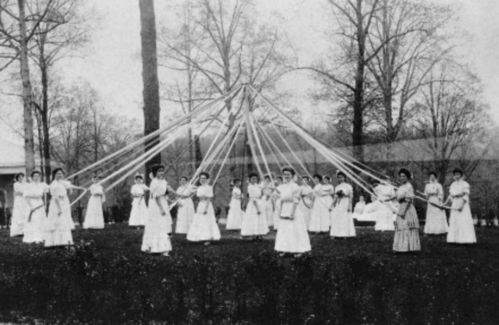 Vintage Views: Our beloved May Day with dancing, horn blowing
 Homeyer: Tips for planning a successful garden
Obituaries
 Jan Stenbak
Westbrook, ME - Janis Marie (Parr) Stenbak, age 79, passed away April 18, 2024 in Westbrook, ME. A longtime resident of Nashua, NH, Jan also lived in New York, Washington State, and Sanandaj, Iran. Jan is survived by sons Saul Stenbak ... remainder of obit for Jan Stenbak
 Linda Van de Bogart
Belmont, NH - Linda Van de Bogart, 75, passed away Monday March 4th, at Genesis Laconia Rehabilitation Center after her battle with lung cancer and a lengthy cognitive decline. Linda was born on July 16, 1948, to the late Victor Fleury... remainder of obit for Linda Van de Bogart
 Peggy Ann Chagnon
Pittsfield, NH - Peggy Ann Chagnon, age 92, passed away peacefully on Thursday morning, April 25, 2024 at the home of her son, Robert Chagnon and his wife, Paullette. She was born in Newmarket NH, on February 15, 1932, one of 5 childre... remainder of obit for Peggy Ann Chagnon
 Patrick J. Sheehan
Concord, NH - Patrick J. Sheehan, age 57, of Concord passed away suddenly on Sunday, April 21, 2024. Born in Boston and raised in Lincoln, MA, Patrick attended Boston College High School and graduated magna cum laude from Boston Colleg... remainder of obit for Patrick J. Sheehan

