
Latest News
 Smoothie Bus Growing Despite Bumps in the Road
 Opinion: Sports have never been fair
 Opinion: New Hampshire, let’s support bills that ensure reproductive freedom
 Opinion: ‘A cry of hope in the absence of hope’ - Young people rally for justice in Gaza
 Opinion: Students resist: Berkeley to Gaza, Columbia to Jenin, UNH to Rafah
 A time of reflection for Greek Easter
 House narrowly votes down mandatory teacher disclosure bill
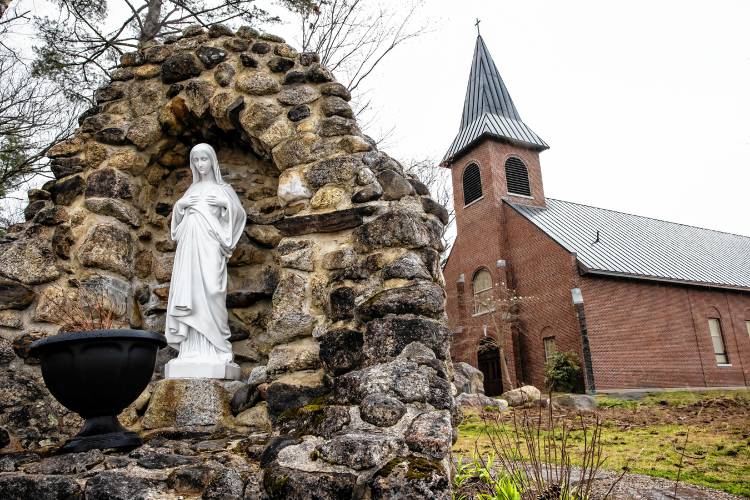
A turbulent 50-year history: Inside the rise and fall of a tiny Catholic college in Warner
At the foot of Mount Kearsarge in Warner, a campus designed to mimic a quintessential New England town is home to the smallest higher education institution in New Hampshire.Founded in 1973, Magdalen College – with a current enrollment of 65 – has...
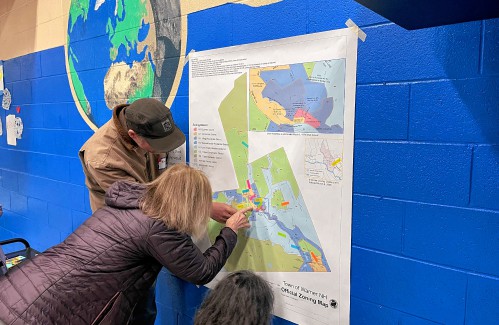
In Warner, housing committee driving conversation on new solutions
As Sally Metheany neared 80 years old, she decided to sell her house in Warner, bidding farewell to her garden beds in favor of renting a more manageable apartment along Main Street.Her new abode in downtown Warner sits at the top of a set of stairs,...
Most Read
 A turbulent 50-year history: Inside the rise and fall of a tiny Catholic college in Warner
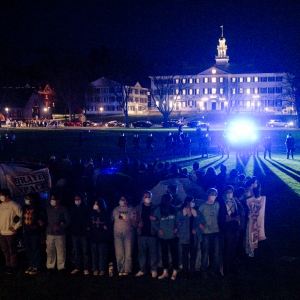 Update: Reactions for, against the more than 100 arrested at Dartmouth, UNH
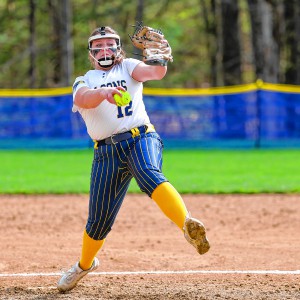 Softball: Cassidy Emerson may have eight freshmen on her team, but the Falcons have glided to an 8-1 start
 Franklin police arrest man after accidental shooting Wednesday
Opinion: Sports have never been fair
Franklin police arrest man after accidental shooting Wednesday
Opinion: Sports have never been fair
 Hopkinton chocolatier transforms chocolates into works of art
Editors Picks
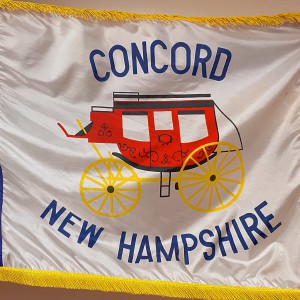 The murky world of town and city flags in NH
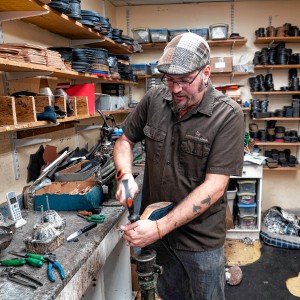 Downtown cobbler breathes life into tired shoes, the environmentally friendly way
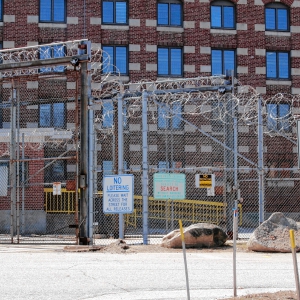 People of color incarcerated at higher rates in New Hampshire, but data is limited
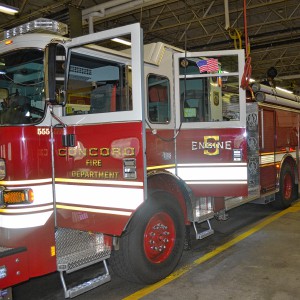 Former Concord firefighter sues city, claiming years of homophobic sexual harassment, retaliation

Sports

High schools: Hopkinton lax sweeps opponents, more Thursday results
Boys’ LacrosseHopkinton 15, Bishop Brady 2Key players: Hopkinton – Patty Buss (5 goals, 2 assists), Merrick Chapin (2 goals, 5 assists), Shane Smith (3 goals, assist), Jackson Westover (2 goals, 2 assists), Kip Hedquist (2 goals, assist), Ozzie...
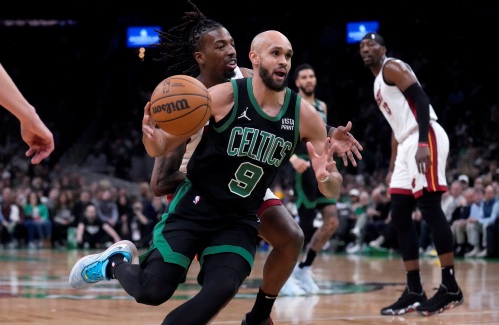 Celtics turn off Heat; Cavs or Magic on deck
 Baseball: Merrimack Valley now 6-1 following wild game at Pembroke Academy
 High schools: Wednesday’s baseball, softball, lacrosse and tennis results
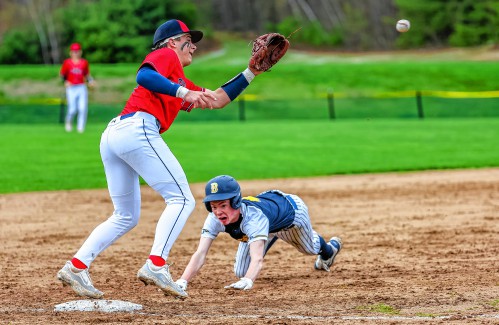 Baseball: Pitching and defense key John Stark’s win over Bow, Generals move to 8-0
Opinion

Opinion: It all started at Columbia
Jean Stimmell, retired stone mason and psychotherapist, lives in Northwood and blogs at jeanstimmell.blogspot.com. I need to vent about the college protests. I am beside myself, appalled at my country’s unconditional military support of Israel’s...
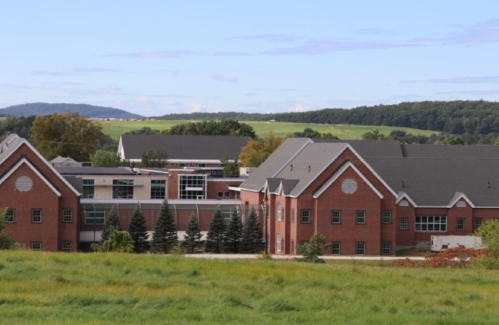 Opinion: New Hampshire, it’s time to acknowledge the stories of suffering
 Opinion: A digital equity plan for Granite Staters
 Opinion: Look to facts in Medical Aid in Dying
 Opinion: In the debate on Medical Aid in Dying, facts matter

Politics

House passes bill to raise minimum marriage age to 18, sending it to governor
The New Hampshire House passed a bill Thursday raising the legal age of marriage to 18, sending the legislation to Gov. Chris Sununu’s desk after years of advocacy.Senate Bill 359, which passed 192-174, states that “no person below the age of 18 years...
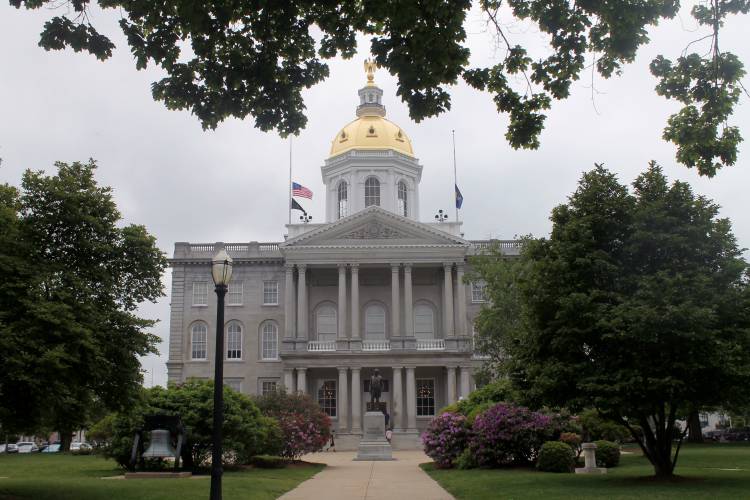 Charities will not have to pay rent to casinos under new law
 Sununu says he’ll support Trump even if he’s convicted
 NH mayors want more help from state on homelessness prevention funds
 Two democrats with parallel views run for same State Senate seat
e-Edition
Arts & Life

From the Farm: Think like a cow
Do you ever wonder how your dog thinks? It’s usually easy to read your dog’s mind: “I want to go out,” “I’m hungry (always),” “I love you.” How about your cat? She’s more like, “Leave me alone,” “Scratch my belly,” “Leave me alone. I mean it. Leave....
 Take Me Outside: Lights out for wildlife
 Vintage Views: The Simple Genius – John Clark
 PILLAR Gallery + Projects opens fourth exhibition in Concord
 Concord Community Music School presents Bach’s Lunch: Hildaland
Obituaries
 Pamela Shephard
Concord, NH - Pamela Brewer Shephard, 75, passed away peacefully on April 27, 2024 at home in Concord, NH. She was born on August 18, 1948 in Concord, New Hampshire to Frances and Barbara Brewer. She attended both Concordia College in ... remainder of obit for Pamela Shephard
 Jane Brown
Concord, NH - Jane Elsie (French) Brown passed away on Saturday, Apr. 6, 2024, at the Merrimack County Nursing Home. Jane was born in Concord, NH, on Mar. 23, 1942, to the late Charles C. and Grace E. French. Jane was a graduate of Conc... remainder of obit for Jane Brown
Charles I. Dube
Charles I Dube Penacook, NH - Charles "Charlie" Dube, 92, of Penacook, NH died on April 29, 2024 at the Merrimack County Nursing Home in Boscawen following a brief illness. Charlie was born in Exeter, NH on February 8, 1932. He was the o... remainder of obit for Charles I. Dube
 Judith Hoeckele
Meredith, NH - Judith "Judy" M. Hoeckele, age 92, of Meredith, NH, passed away on Thursday, April 18th, 2024. She was born on Thursday, February 11th, 1932 in Altusried, Bavaria Germany. Judy is survived by her loving children, Roberta... remainder of obit for Judith Hoeckele

