
 Boys’ lacrosse: Through the lumps, Concord coach thinks young team is ahead of schedule
 High schools: Monday’s baseball, softball, lacrosse and tennis results
 Gaming company skips funding for problem gambling efforts
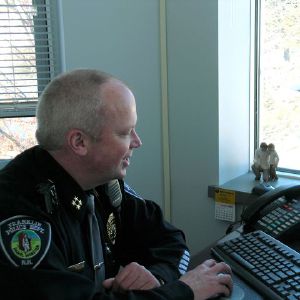 Bradley Haas Act to provide death benefit to all security officers under new amendment
 Jaffrey hosts inaugural Monadnock Comic-Con
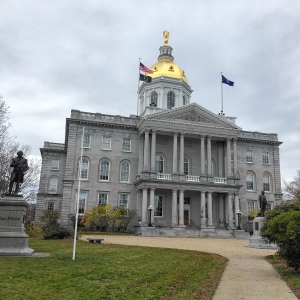 Lawyers and lawmakers assert the Department of Education is on the verge of violating the law
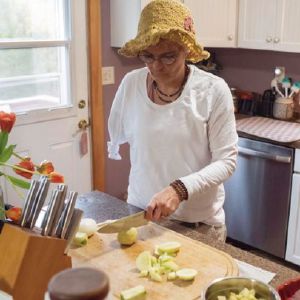 For Stephanee Byars, life goes on, even without her right arm
 UNH selects Elizabeth Chilton as university’s next president
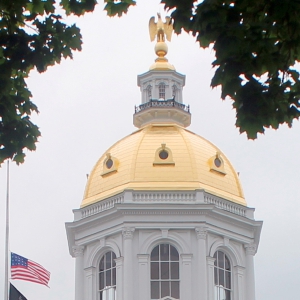 House kills ‘HOMEnibus bill,’ voting against attempt to incentivize housing
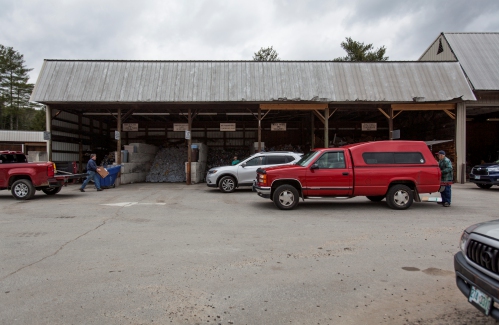
Hopkinton tries to nab out-of-town trash bandits
Already struggling to enforce its green bag program in its shared transfer station, Hopkinton realized it faces a new issue: Concord residents trying to dump their trash in town.Last Saturday, select board members Thomas Lipoma and Jeffrey Donohue...

Here’s why the verdict in New Hampshire’s landmark trial over youth center abuse is being disputed
“Duped.” “Devastated.” “Sickened.” That’s how a jury foreperson felt after learning that the amount awarded in a landmark lawsuit over abuse at New Hampshire’s youth detention center could be slashed by nearly 99%.A jury on Friday awarded $38 million...
Most Read
 Steeplegate project to reopen to public comment as developer seeks to reduce required parking
 A turbulent 50-year history: Inside the rise and fall of a tiny Catholic college in Warner
 Students and staff welcome the opening of new Allenstown K-8 school
 UNH faculty and students call on university police chief to resign following his alleged assault on a student
 High schools: Friday and Saturday results
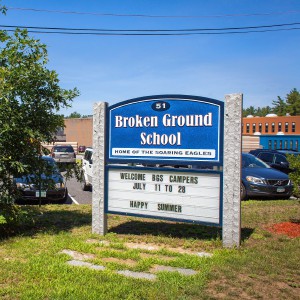 School Board to vote on new Broken Ground principal nominee
Editors Picks
A turbulent 50-year history: Inside the rise and fall of a tiny Catholic college in Warner
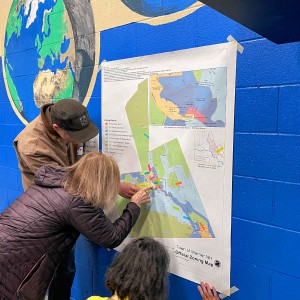 In Warner, housing committee driving conversation on new solutions
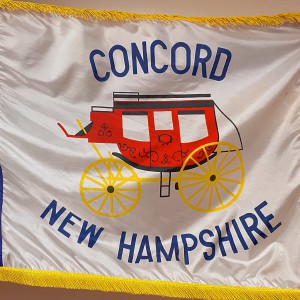 The murky world of town and city flags in NH
 Hopkinton chocolatier transforms chocolates into works of art

Sports

High schools: Friday and Saturday results
Girls’ Track Bow 134, Kingswood 24, Pembroke 15 Key players: Bow – Julia Hou (1st 1,600, 1st pole vault, 1st triple jump), Hannah Pawlowski (1st 400, 1st javelin), Camden Wilson (1st high jump, 2nd 100, 2nd 200), Charlotte Weiss (1st discus, 2nd...
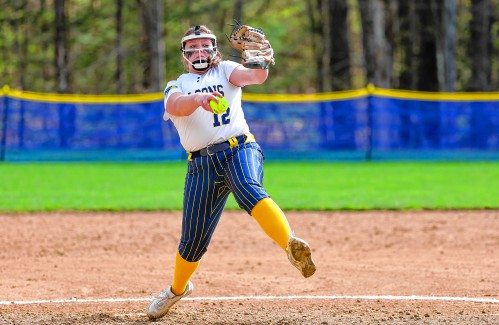 Softball: Cassidy Emerson may have eight freshmen on her team, but the Falcons have glided to an 8-1 start
 High schools: Hopkinton lax sweeps opponents, more Thursday results
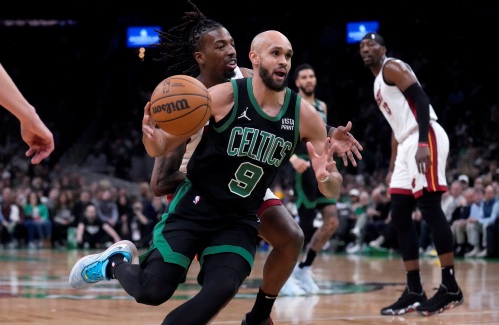 Celtics turn off Heat; Cavs or Magic on deck
 Baseball: Merrimack Valley now 6-1 following wild game at Pembroke Academy
Opinion

Opinion: Thank goodness for New Hampshire teachers
Deb Howes lives in Hudson and is the president of AFT-NH. Megan Tuttle lives in Concord and is the president of NEA-New Hampshire. Every student, no matter the color of their skin or the zip code they live in, deserves educators who are caring,...
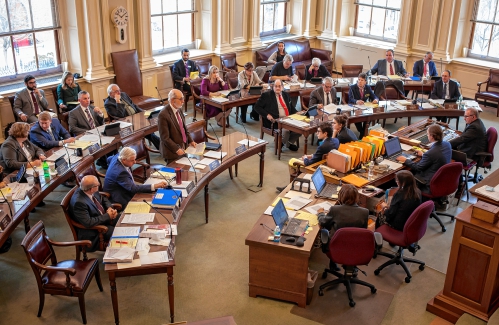 Opinion: NH should support SB 553
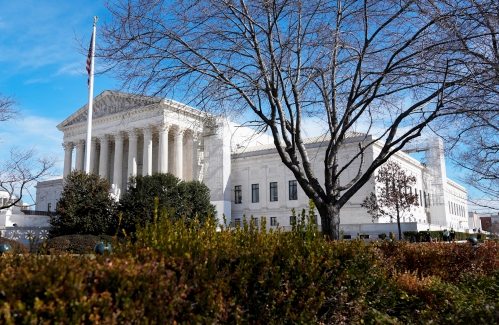 Opinion: Let’s not go back
 Opinion: The inspiring life of Howard Zinn
 Opinion: Seeking wisdom in literature

Politics

House passes bill to raise minimum marriage age to 18, sending it to governor
The New Hampshire House passed a bill Thursday raising the legal age of marriage to 18, sending the legislation to Gov. Chris Sununu’s desk after years of advocacy.Senate Bill 359, which passed 192-174, states that “no person below the age of 18 years...
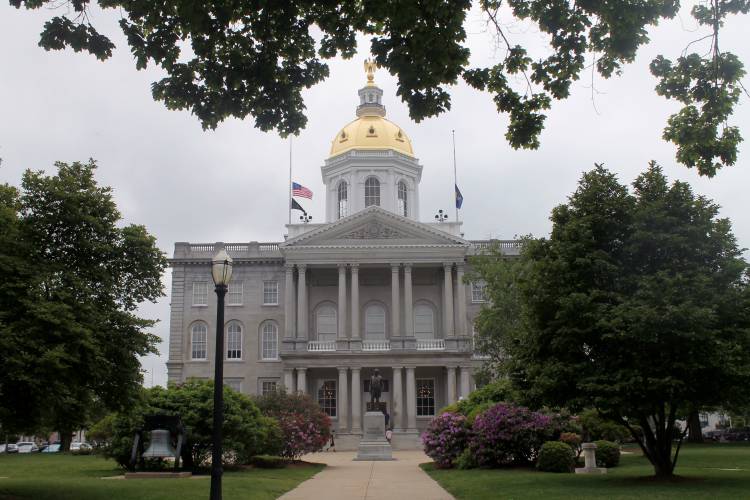 Charities will not have to pay rent to casinos under new law
 Sununu says he’ll support Trump even if he’s convicted
 NH mayors want more help from state on homelessness prevention funds
 Two democrats with parallel views run for same State Senate seat
e-Edition
Arts & Life

24th Annual Perennial Exchange opens Concord’s gardening season
The 24th Annual Perennial Exchange opens Concord’s gardening season on Saturday, May 11 from 8 a.m. to noon at the Concord City Auditorium. It’s free and open to all. Here’s how the exchange works:Just split and swap! Perennial plants are ambitious,...
 From the Farm: Think like a cow
 Take Me Outside: Lights out for wildlife
 Vintage Views: The Simple Genius – John Clark
 PILLAR Gallery + Projects opens fourth exhibition in Concord
Obituaries
 Miriam Chamberlin
Concord, NH - Miriam Helen (Gaskell) Chamberlin, 92, passed away Saturday April 20, 2024 at Pleasant View Center nursing home, Concord, NH, after a long period of failing health. She was born in Concord, NH on February 25, 1932, the dau... remainder of obit for Miriam Chamberlin
 Junie Landry
Mesa, AZ - Junie L. Landry, 93, passed away after a sudden illness on Tuesday, April 9, 2024. She was born in May, 1930 in Laconia, NH, to Harry S. and Thelma I. (Trumbull) Waite. She attended Laconia High School while living at 56... remainder of obit for Junie Landry
 Sandra Scheys
Bow, NH - Sandra Renee Scheys, age 60, died on Tuesday, April 16th, 2024 at St. Vincent's Hospital in Worcester, MA, after a short battle with cancer. Born on July 22, 1963 in Concord, Sandie attended schools in Bow, NH and Bishop B... remainder of obit for Sandra Scheys
 Joseph M. Jenovese Jr.
Concord, NH - Joseph M. Jenovese Jr., age 88, of Eastside Drive, Concord, passed away peacefully at his home on Sunday, April, 28th 2024, surrounded by his family, following a period of declining health. He was born on November 11th, 19... remainder of obit for Joseph M. Jenovese Jr.

