

Latest News
 Beautify Allenstown hosting community cleanup day
 Spring things: Savoring the small moments
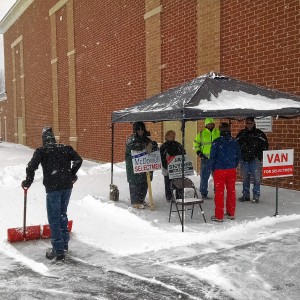 Two Weare select board members resign
 Baseball: Syvertson suits up for CCA in narrow win over Franklin
 Plans for lights at Concord’s Keach Park back on
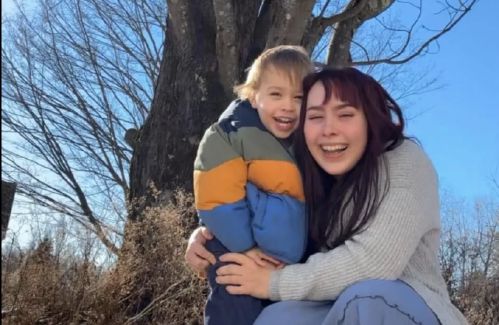
‘I thought we had some more time’ – Coping with the murder-suicide of a young Pembroke mother and son
A half-eaten container of yogurt still sits in the fridge. A “Bluey” bike leans against the back door, and a small watering can rests untouched nearby, each item an aching reminder of the life that filled Bill Byrne’s home in Pembroke less than a week ago.

From New Hampshire to South Texas: Laconia Christian Academy students witness changed immigration system on border trip
Under a different president, the Guatemalan woman and her disabled son would have likely been 100 days into a new life in the United States. Instead, by the time a group of 10 students from Laconia Christian Academy arrived in South Texas late last month, the family was miles south, 100 days into an uncertain future at a makeshift camp in Mexico.
Most Read
 To provide temporary shelter, Concord foots the bill for hotel stays for people experiencing homelessness
 The Appalachian Trail in New Hampshire just got easier, as another debate looms over replacing structures in wilderness areas
 State Police recover body from Merrimack River in Hooksett
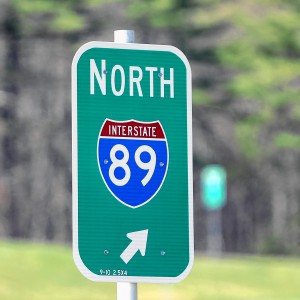 Ramp from I-93 to I-89 to be closed for repairs Tuesday
 Authorities believe mother shot three year-year-old son in Pembroke murder-suicide
 Granite Geek: There’s a very big battery in Moultonborough. We need a lot more of them
Editors Picks
 The Monitor’s guide to the New Hampshire legislature
 One year after UNH protest, new police body camera footage casts doubt on assault charges against students
 ‘It’s always there’: 50 years after Vietnam War’s end, a Concord veteran recalls his work to honor those who fought
 ‘We honor your death’ – Arranging services for those who die while homeless in Concord

Sports

High schools: Monday’s softball, baseball, lax, tennis and track results
Merrimack Valley 5, Plymouth 2
 High schools: Weekend lacrosse results
 High schools: Thursday’s softball, baseball, lax and track results
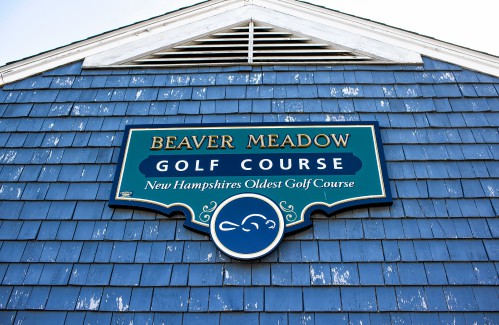 Program offers discounted golf rounds for young players at Concord’s Beaver Meadow
 High schools: Thursday’s area baseball, lacrosse, tennis and track results
Opinion

Opinion: My memories of Vietnam 50 years later
Jean Stimmell, retired stone mason and psychotherapist, lives in Northwood and blogs at jeanstimmell.blogspot.com.
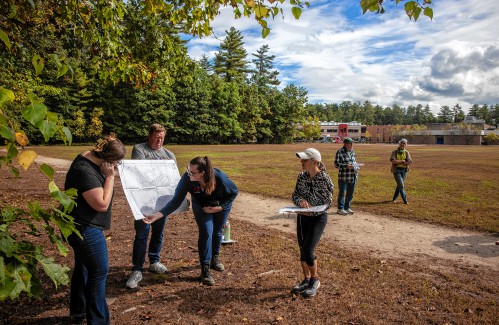 Opinion: Concord officials: Can we sit and talk?
 Opinion: Trump versus the U.S. Constitution
 Opinion: Protect our winters!
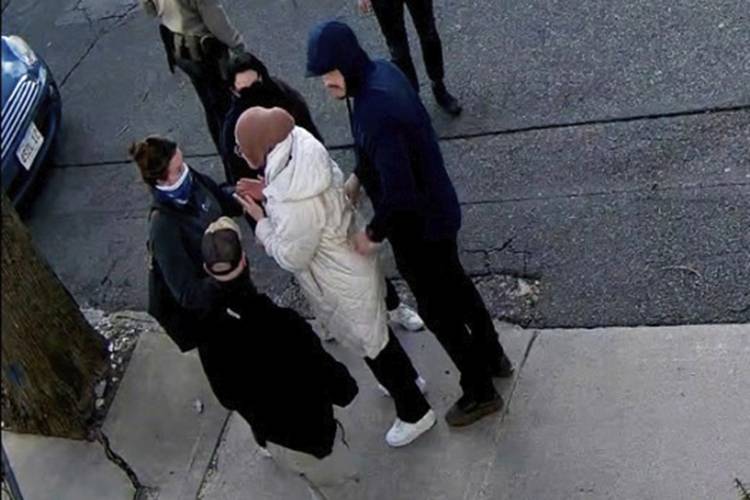 Opinion: That was then. This is now.

Your Daily Puzzles

An approachable redesign to a classic. Explore our "hints."

A quick daily flip. Finally, someone cracked the code on digital jigsaw puzzles.

Chess but with chaos: Every day is a unique, wacky board.

Word search but as a strategy game. Clearing the board feels really good.

Align the letters in just the right way to spell a word. And then more words.
Politics
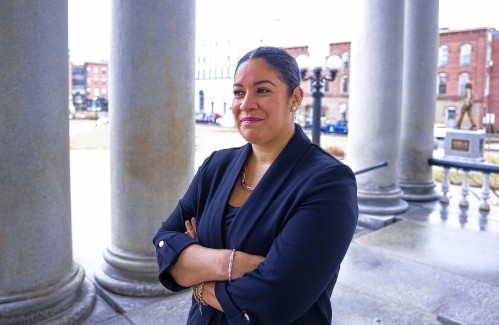
‘A wild accusation’: House votes to nix Child Advocate after Rep. suggests legislative interference
Rosemarie Rung thinks of Elijah Lewis often.
 Sununu decides he won’t run for Senate despite praise from Trump
 Town elections offer preview of citizenship voting rules being considered nationwide
 Medical aid in dying, education funding, transgender issues: What to look for in the State House this week
 On the Trail: Shaheen’s retirement sparks a competitive NH Senate race
e-Edition
Arts & Life

Donating “The Bibliophile”
On April 26, Tom Barber, an Andover resident and a well-known painter and illustrator since the 1970s, presented his painting of "The Bibliophile" to Michaela Hoover, director of the Andover Libraries.
 Brookford Farm’s annual heifer parade celebrates family, sustainability, organic farming
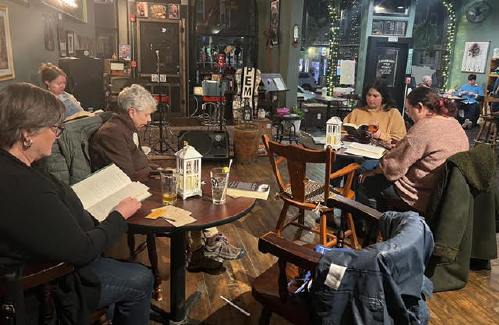 Pembroke City Limits brings yoga, book club, line dancing, and more to Suncook Village
 The Last Stand Country Band performing in Allenstown
 Garden Club blossoms in Chichester
Obituaries
 George W. Bean
Concord, NH - A celebration of life for George W. Bean who passed away on February 27th, 2025, will be held on Saturday May 17th, 2025, from 1PM to 5PM at his and Jane's home at 42 Fisherville RD, Concord NH ... remainder of obit for George W. Bean
 Sarah Kinter
Canterbury, NH - Surrounded by the home of her dreams in Canterbury, New Hampshire and eager to begin the new journey before her, Sarah Anne Kinter left this life on Thursday, May 8, 2025, to start joyously "partying upstairs", after ei... remainder of obit for Sarah Kinter
Janet R. Boisvin
Concord, NH - Janet R. Boisvin, 81, died peacefully at her home on Thursday, May 08,2025 after a period of failing health. The daughter of the late Elwin and Violet Jenkins, Janet was born on August 28,1943 in Concord. She was a gr... remainder of obit for Janet R. Boisvin
Barbara Jean Clark
Concord, NH - Barbara Jean Clark, age 85, of Concord, passed away at home on Wednesday, April 30, 2025. She was the loving wife of the late David L. Clark. Born in Portsmouth on February 24, 1940, Barbara was the daughter of the late R... remainder of obit for Barbara Jean Clark

