

Latest News
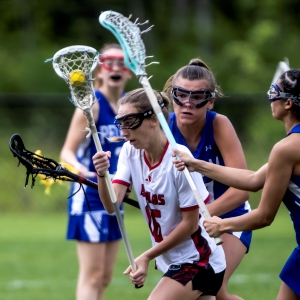 Girls’ lacrosse: Coe-Brown secures playoff spot with 12-10 win over Pelham
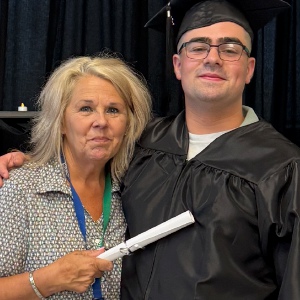 ‘It’s the first thing I’ve ever accomplished’: Graduates celebrate completing Second Start’s Adult Diploma Program
 ‘He died for his country’: Pittsfield honors U.S. Marine who lost his life in Vietnam War
 Manchester airport adds free ASL translation app for deaf travelers
 Baseball: Bow secures top-four seed with win over Kingswood
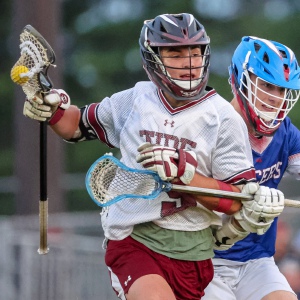 High schools: Concord boys’ lax secures tourney spot with victory, Kearsarge and Brady tennis advance to semis, more results from Thursday
 Stefany Shaheen, daughter of New Hampshire senator, launches House bid
 New Concord apartments open in former First Congregational Church
 Senate lawmakers vote to lift betting limits to attract high-rollers to New Hampshire’s casinos

Inside EFAs: How school vouchers have fueled an enrollment boom at Christian schools across New Hampshire
This story is the fifth in an ongoing series about New Hampshire’s Education Freedom Account program. Read the other stories here.

‘The skills to excel’: CTRC graduates prepare to enter the workforce
Maggie Hall was eight years old when her grandmother was diagnosed with multiple myeloma.
Most Read
Editors Picks
 The Monitor’s guide to the New Hampshire legislature
 One year after UNH protest, new police body camera footage casts doubt on assault charges against students
 ‘It’s always there’: 50 years after Vietnam War’s end, a Concord veteran recalls his work to honor those who fought
 ‘We honor your death’ – Arranging services for those who die while homeless in Concord

Sports
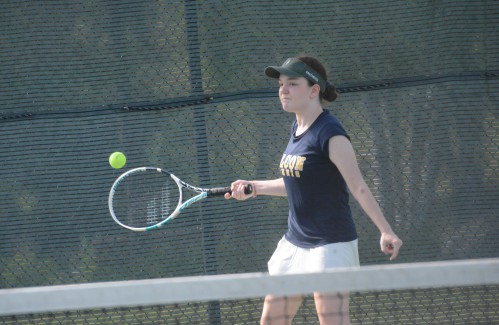
High schools: Bow girls’ tennis advances in tourney, Stark baseball beats MV, Kearsarge softball wins first games of the season; Wednesday’s results
No. 9 Bow 7, No. 8 Kingswood 2
 Boys’ Lacrosse: Bean reaches milestone in Coe-Brown win over Bow in heavy hitters matchup, 13-3
 High schools: Hillsboro-Deering sweeps Hopkinton; Tuesday’s baseball, softball, lacrosse and tournament tennis
 High schools: Concord softball falls on Senior Day; Stark, Brady baseball win on Memorial Day
 Track & field: Belmont’s Lacasse, Takantjas win four events each to lead Red Raiders to Wilderness League Championship title
Opinion

Opinion: How dark can it get?
Jonathan P. Baird lives in Wilmot.
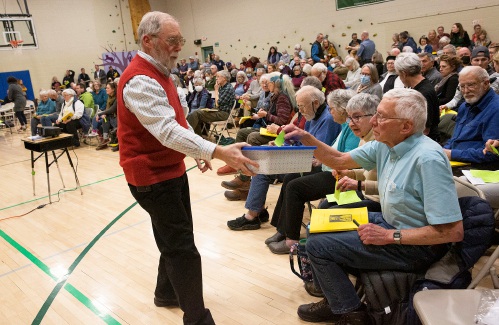 Opinion: Unfair taxes, unfair schools: The New Hampshire way
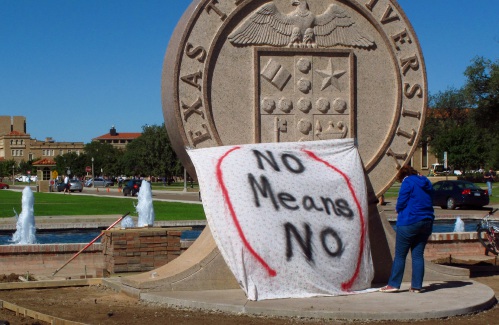 Opinion: In the fight to stop sexual violence, can polio hold the solutions?
 Opinion: Where are the permanent solutions for a more stable budget?
 Opinion: My memories of Vietnam 50 years later

Your Daily Puzzles

An approachable redesign to a classic. Explore our "hints."

A quick daily flip. Finally, someone cracked the code on digital jigsaw puzzles.

Chess but with chaos: Every day is a unique, wacky board.

Word search but as a strategy game. Clearing the board feels really good.

Align the letters in just the right way to spell a word. And then more words.
Politics

New Hampshire school phone ban could be among strictest in the country
When Gov. Kelly Ayotte called on the state legislature to pass a school phone ban in January, the pivotal question wasn’t whether the widely popular policy would pass but how far it would go.
 Concord became a Housing Champion. Now, state lawmakers could eliminate the funding.
 ‘A wild accusation’: House votes to nix Child Advocate after Rep. suggests legislative interference
  Sununu decides he won’t run for Senate despite praise from Trump
 Town elections offer preview of citizenship voting rules being considered nationwide
e-Edition
Arts & Life

Two Villages Art Society begins summer members show
More than 40 New Hampshire artists will display their work in the 2025 Summer Members Show & Sale at Two Villages Art Society’s gallery in the Hopkinton village of Contoocook. The show opens May 31, with a reception from noon to 2 p.m. and runs through June 28.
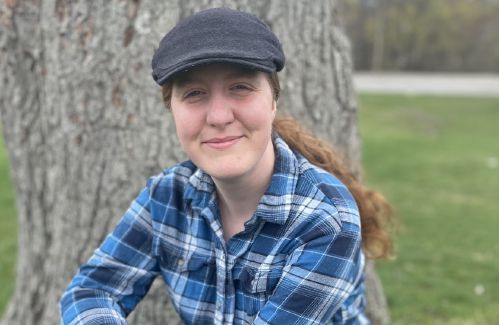 Artist Spotlight: Brittany Batchelder
 Young Professional of the Month Katie Duncan shares about creativity, community, connection
 Tiny Tapestry sale at Red River Theaters raising money for Concord Coalition to End Homelessness
 Bowling for a cause: Angelman Syndrome Fundraiser coming to Boutwell’s
Obituaries
 Alexander William Saltmarsh
Bow, NH - It is with profound sadness that we announce the passing of Alexander William Saltmarsh, a lifelong resident of Bow, New Hampshire, who died peacefully at the family home on May 19, 2025, at the age of 79. Born on January 31, ... remainder of obit for Alexander William Saltmarsh
 Beatrice Kapreilian
Beatrice "Bea" Kapreilian Sarasota, FL - KAPREILIAN, Beatrice "Bea" Age 88, of Sarasota, FL and Falmouth, MA, died peacefully in her sleep with her family and all of her grandchildren sharing their love, on Wednesday, May 14, 2025. She w... remainder of obit for Beatrice Kapreilian
 Annette L. Wolfe
Concord, NH - ANNETTE L WOLFE, 88, passed away on Friday May 9th 2025 at Presidential Oaks in Concord, NH with her loving children by her side. She was born in Presque Isle, Maine, the daughter of the late Paul Lamoreau and Ruth (Hasey)... remainder of obit for Annette L. Wolfe
 Alexander William Saltmarsh
Bow, NH - It is with profound sadness that we announce the passing of Alexander William Saltmarsh, a lifelong resident of Bow, New Hampshire, who died peacefully at the family home on May 19, 2025, at the age of 79. Born on January 31, ... remainder of obit for Alexander William Saltmarsh

