

Latest News
 Opinion: My client Ozzy Osbourne
 Athlete of the Week: Maeve Owens, Hopkinton
 Red Sox’s Jackie Bradley Jr. teaches golf for a day at Candia Woods
 Bow school district calls wristband protest ‘targeting and intimidation’ of transgender athletes as parents appeal for free speech rights
 Feuding Market Basket board, CEO will enter mediation
 Driver, rider hurt in single ATV crash on OHRV trail in Dunbarton

Butterfly bench installation and pollinator event to honor memory of Concord woman
Natalie Duncan had an infectious passion for conservation and the outdoors.

‘Floating over the world’: Pittsfield hot air balloon festival takes to the skies this weekend
Mike Olin has been a hot air balloon pilot for 10 years.
Most Read
 Restaurant owner settles lawsuit against Franklin, but didn’t get what she sought
 Trump’s order to end homelessness could overwhelm New Hampshire’s mental health system, advocates say
 With Steeplegate still held up in court, city privately debates public investment
 Former Castro’s building to hold apartments and the cigar shop will return, eventually
 ‘Peace of mind’: As New Hampshire nixes car inspections, some Concord residents still plan to get them
 Education commissioner nominee Caitlin Davis receives unanimous bipartisan support on eve of confirmation vote
Editors Picks
 A Webster property was sold for unpaid taxes in 2021. Now, the former owner wants his money back
 Report to Readers: Your support helps us produce impactful reporting
 City prepares to clear, clean longstanding encampments in Healy Park
 Concord area population growth in line with state as a whole from 2020 to 2024

Sports

Weare Post 65 ends memorable baseball season in opening rounds of American Legion state tournament
NASHUA — It’s been a memorable season for the baseball community in Weare and Henniker.
 Athlete of the Week: Michael Heine, Merrimack Valley High School
 Concord National LL Softball to play in second game of NE Regional on Tuesday after loss to Guilford, Connecticut
 Bow Brook Tennis Club hosts men’s A and B tournaments
 Concord National LL Softball wins State Championship and moves on to Little League Regional Tournament
Opinion

Opinion: Trumpism in a dying democracy
 Opinion: What Coolidge’s century-old decision can teach us today
 Opinion: The art of diplomacy
 Opinion: After Roe: Three years of resistance, care and community
 Opinion: Iran and Gaza: A U.S. foreign policy of barbarism

Your Daily Puzzles

An approachable redesign to a classic. Explore our "hints."

A quick daily flip. Finally, someone cracked the code on digital jigsaw puzzles.

Chess but with chaos: Every day is a unique, wacky board.

Word search but as a strategy game. Clearing the board feels really good.

Align the letters in just the right way to spell a word. And then more words.
Politics

New Hampshire school phone ban could be among strictest in the country
When Gov. Kelly Ayotte called on the state legislature to pass a school phone ban in January, the pivotal question wasn’t whether the widely popular policy would pass but how far it would go.
 Concord became a Housing Champion. Now, state lawmakers could eliminate the funding.
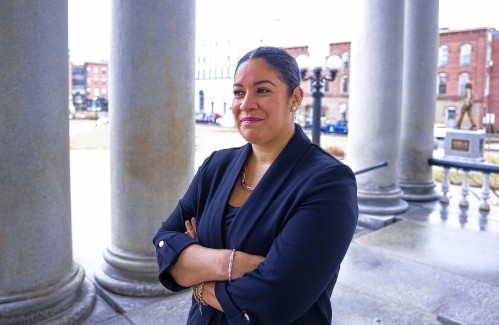 ‘A wild accusation’: House votes to nix Child Advocate after Rep. suggests legislative interference
 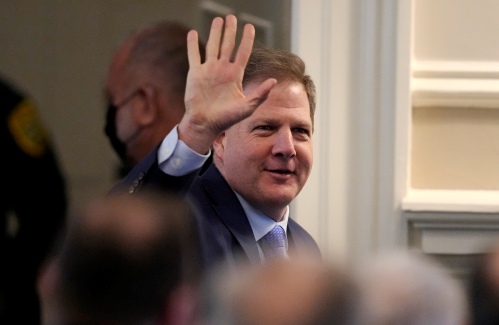 Sununu decides he won’t run for Senate despite praise from Trump
 Town elections offer preview of citizenship voting rules being considered nationwide
e-Edition
Arts & Life

Franklin Area Children’s Theatre presents “Dear Edwina Jr.”
Franklin Area Children’s Theater is proud to announce its summer performance, “Dear Edwina Jr.” Franklin Area Children’s Theater is a day camp focused on helping kids build performance skills, as well as confidence through the arts. Campers bring a full show from script to stage in just two weeks, learning and making friends all along the way.
 Bow Rotary holds summer concerts
 League of NH Craftsmen 92nd annual fair coming to Newbury
 Community Players of Concord celebrate 97th season, prepare for 98th
 Henniker Blues, Brews & BBQ Fest returns for fourth year
Obituaries
 Irene M. Bourbeau
Concord, NH - Irene M. Bourbeau, 85, of Concord, NH, went home to be with the Lord on Sunday, July 27, 2025. Born on December 8, 1939, in Laconia, NH, she was the youngest of nine children to Maurice and Rosilda Gilbert. The family move... remainder of obit for Irene M. Bourbeau
 Nancy Nelson
Meredith, NH - Nancy Nelson, 92, passed away peacefully on Sunday, July 20th. She was born in Concord, NH, on January 15, 1933, and returned to the city to buy a home and raise a family with Dick Hill. Nancy managed a bustling hous... remainder of obit for Nancy Nelson
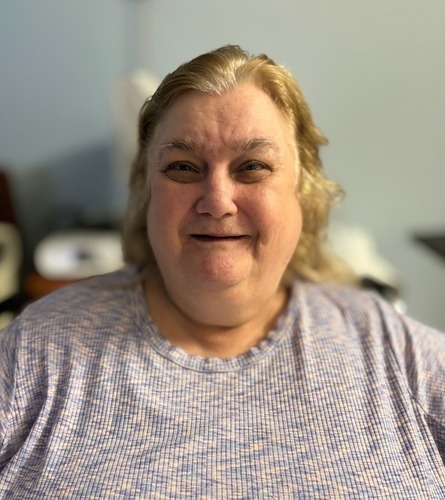 Beverly J. Vallee
Boscawen, NH - Beverly J. Vallee, 68, of Boscawen, passed away on Sunday, July 27, 2025, at Concord Hospital. Born in Manchester, NH, on August 23, 1956, the daughter of James and Lorraine Vallee. Beverly grew up in Hooksett, NH, and li... remainder of obit for Beverly J. Vallee
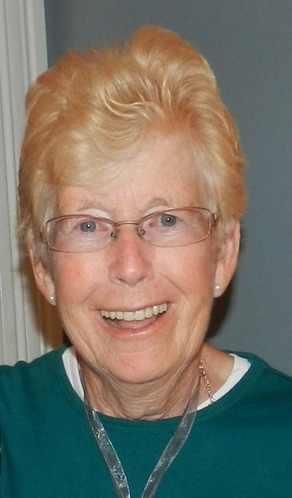 Margaret Mary Halm
Franklin, NH - It is with heavy hearts that we announce the passing of Margaret Mary Halm (Price), who left this world peacefully on July 26th 2025 . Born on May 24, 1936, in Dublin, Ireland. Margaret, known to those that loved her as "... remainder of obit for Margaret Mary Halm

