

Latest News
 High schools: Belmont’s Divers pitches perfect game; Monday’s baseball, softball, lacrosse and tennis results
 Granite Geek: It’s mullet mow month for your lawn! You do know what a mullet mow is, don’t you?
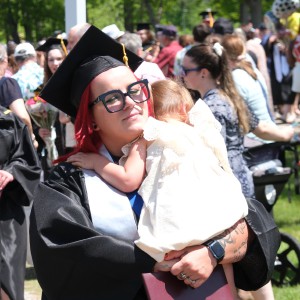 ‘We chose to become more’: NHTI holds 75th commencement
 Fentanyl, car inspections and parents’ rights: What to look for in the State House this week
 As Canadian travel to the U.S. falls, North Country businesses are eyeing this Victoria Day weekend to predict impacts in New Hampshire
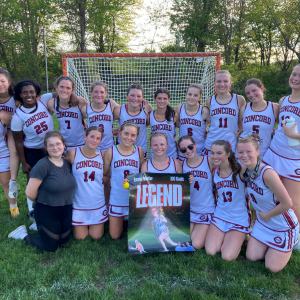 High schools: Pelletier scores 100th goal, leads Concord girls’ lax to first win; baseball, softball, boys’ lacrosse and track results from this weekend
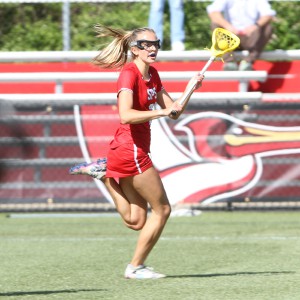 Five former Concord Crush girls at St. Paul’s are soon to leave the nest to play NCAA Women’s Lacrosse

‘It's how we fight back’: Youth demonstrate at “No Voice Too Small” rally
Alexander Keenan stood on the platform before a crowd of dozens of demonstrators at the New Hampshire State House on Sunday afternoon.

State should regulate A.I. since Congress won’t do it, says New Hampshire’s attorney general
New Hampshire’s attorney general has joined his peers to tell Congress that they shouldn’t block state efforts to do what the federal government won’t do in terms of “protecting consumers from the harmful effects” of artificial intelligence.
Most Read
Editors Picks
 The Monitor’s guide to the New Hampshire legislature
 One year after UNH protest, new police body camera footage casts doubt on assault charges against students
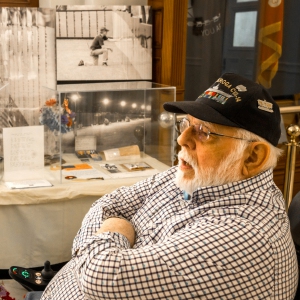 ‘It’s always there’: 50 years after Vietnam War’s end, a Concord veteran recalls his work to honor those who fought
 ‘We honor your death’ – Arranging services for those who die while homeless in Concord

Sports

Boys’ tennis: Growing the sport, fun and pizza for a tight-knit Concord team on Senior Night
Concord’s Jonah Gaby sealed his senior night with a come-from-behind, emphatic doubles win with junior Martin Pennington against Manchester Central after easily winning his singles match and leading the charge for the Tide.
 High schools: Concord girls win elite Merrimack Invitational, MV track sweeps senior day, Winnisquam’s Caruso wins 175th career victory, more results from Thursday
 High schools: Wednesday’s baseball, softball, lacrosse, tennis and track results
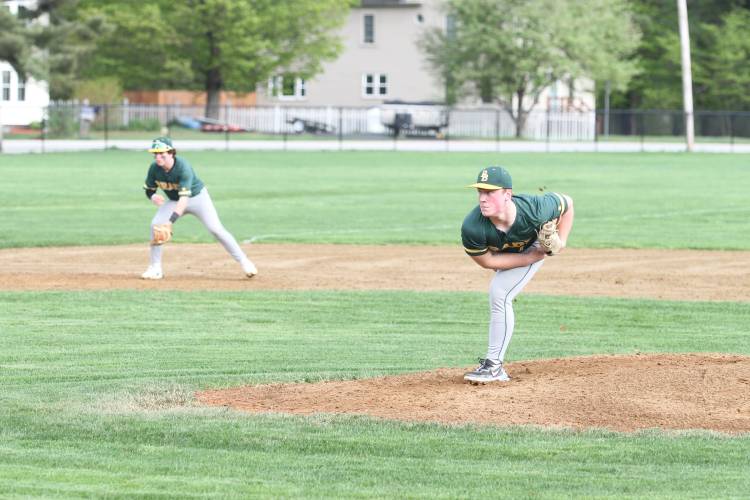 High schools: Tuesday’s baseball, softball, lax, tennis and track results
 Baseball: Syvertson suits up for CCA in narrow win over Franklin
Opinion
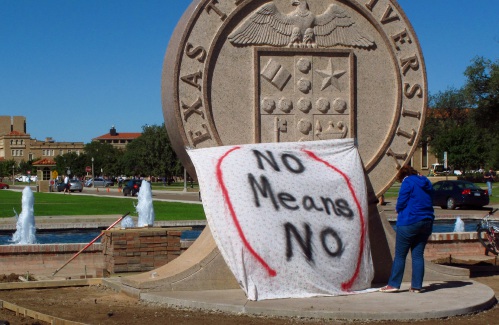
Opinion: In the fight to stop sexual violence, can polio hold the solutions?
Molly McHugh is the Director of Communications at No Means No Worldwide, an organization dedicated to ending sexual violence. She lives in Orford.
 Opinion: Where are the permanent solutions for a more stable budget?
 Opinion: My memories of Vietnam 50 years later
 Opinion: Concord officials: Can we sit and talk?
 Opinion: Trump versus the U.S. Constitution

Your Daily Puzzles

An approachable redesign to a classic. Explore our "hints."

A quick daily flip. Finally, someone cracked the code on digital jigsaw puzzles.

Chess but with chaos: Every day is a unique, wacky board.

Word search but as a strategy game. Clearing the board feels really good.

Align the letters in just the right way to spell a word. And then more words.
Politics
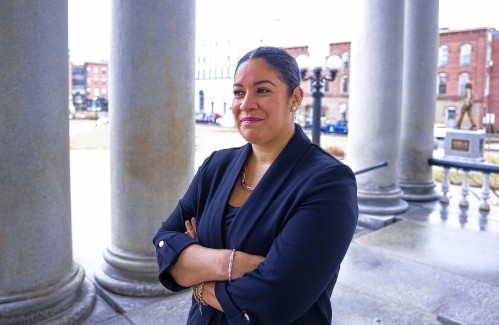
‘A wild accusation’: House votes to nix Child Advocate after Rep. suggests legislative interference
Rosemarie Rung thinks of Elijah Lewis often.
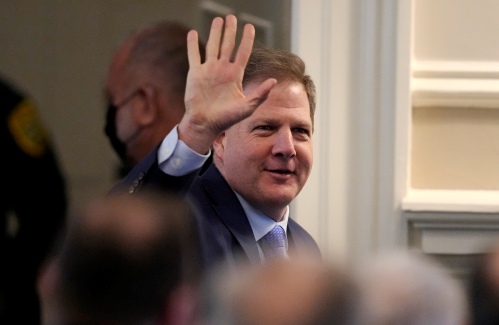 Sununu decides he won’t run for Senate despite praise from Trump
 Town elections offer preview of citizenship voting rules being considered nationwide
 Medical aid in dying, education funding, transgender issues: What to look for in the State House this week
 On the Trail: Shaheen’s retirement sparks a competitive NH Senate race
e-Edition
Arts & Life

Young Professional of the Month Katie Duncan shares about creativity, community, connection
Meet Katie Duncan, Membership Manager and Educational Outreach Coordinator at the Capitol Center for the Arts. The 35-year old Concord resident’s passion for the arts and the Concord community shines through her work. From theater stages to local lakes, Katie shares how growing up in Greater Concord shaped her path—and why she’s dedicated to giving back.
 Tiny Tapestry sale at Red River Theaters raising money for Concord Coalition to End Homelessness
 Bowling for a cause: Angelman Syndrome Fundraiser coming to Boutwell’s
 Beautify Allenstown hosting community cleanup day
 Donating “The Bibliophile”
Obituaries
 Alan Kanegsberg
Dedham, MA - Alan Kanegsberg (March 6, 1940) passed away peacefully at 85 (May 17, 2025). Alan leaves his devoted wife of 63 years, Helaine (Rosenberg), sons Howard and Philip, beloved grandson Torston, and sister Samantha K. Burkey. Al... remainder of obit for Alan Kanegsberg
 Phyllis R. Kelley
Gilmanton, NH - Phyllis R. Kelley fondly called Dolly by family and friends died May 4, 2025 just one day shy of her 101 Birthday, at Golden View Health Care Center, Meredith, NH following a brief illness. Phyllis was born in Pittsf... remainder of obit for Phyllis R. Kelley
 Gary Clayton Bedell
Pittsburg, NH - Gary Clayton Bedell, 88, of Pittsburg, NH, passed away peacefully on April 29, 2025, after a lengthy illness, surrounded by his loving family. Born on November 27, 1936, in Lancaster, NH he was the son of the late Cl... remainder of obit for Gary Clayton Bedell
 Frederick T. Ford
Tilton, NH - Frederick "Fred" T. Ford, 87 of Tilton, NH, passed away on Thursday, May 8, 2025, surrounded by his loving family. Born on June 10, 1937, in Jersey City, New Jersey, to the late Frederick V. and Margaret (McNally) Ford. He ... remainder of obit for Frederick T. Ford

