

 ‘I don’t know how we’ll be able to keep up’ – Senate restores but pares down Office of the Child Advocate
 Somersworth man arrested after high-speed chase through multiple towns in New Hampshire
 Debra Douglas steps down as chairman of New Hampshire Lottery Commission after 15 years
 Shaun St. Onge, a former coach and administrator at Merrimack Valley High School, will serve as the school’s next principal
 Database: Enrollment of each private school in New Hampshire since the Education Freedom Account program started
 Marshalls coming to Merchants Way at Exit 17
 U.S. Rep. Maggie Goodlander buys home in Concord, in NH’s second district
 Athlete of the Week: Lily Cornell, Franklin High School

Flames engulf Chichester home, sending two people to the hospital
Flames damaged much of a home at 132 Kaime Rd. in Chichester on Monday evening, sending one person to a burn unit for medical treatment.

Track & field: Coe-Brown boys, girls finish as D-II runner-up
KINGSTON – It was far from a normal track season this spring.
Most Read
 St. Paul’s School won’t reopen public access to Turkey Pond
 Bow offers water to Hooksett plant, asks Concord to help fix its supply
 Inside EFAs: How school vouchers have fueled a Christian school enrollment boom in New Hampshire
 Goodwell Foods takes over Rustic Crust private label frozen pizza
 ‘Our hearts never forget’: Marguerite Moffet wants recognition for the sacrifices of NH veterans
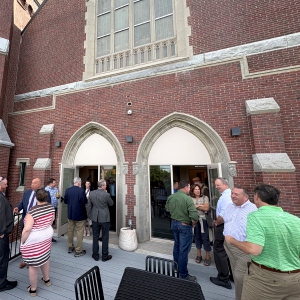 New Concord apartments open in former First Congregational Church
Editors Picks
 The Monitor’s guide to the New Hampshire legislature
 One year after UNH protest, new police body camera footage casts doubt on assault charges against students
 ‘It’s always there’: 50 years after Vietnam War’s end, a Concord veteran recalls his work to honor those who fought
 ‘We honor your death’ – Arranging services for those who die while homeless in Concord

Sports

Track & field: Distance runners lead Hopkinton to D-III title defense
KINGSTON – The Hawks knew that a title defense was possible, but it would take doubling, tripling, even quadrupling in events for them to get there. Hopkinton executed its plan to perfection.
 High schools: Final results from the regular season, tennis tourney action
 Track & field: Goulas wins all 3 jumping events, Saysaw sets two records to lead Concord girls to first D-I title since 1988
 Girls’ lacrosse: Coe-Brown secures playoff spot with 12-10 win over Pelham
 Baseball: Bow secures top-four seed with win over Kingswood
Opinion

Opinion: Our leaders’ puzzling decision to eliminate the State Council on the Arts
Sal Prizio is the executive director of the Capitol Center for the Arts.
 Opinion: How dark can it get?
 Opinion: Unfair taxes, unfair schools: The New Hampshire way
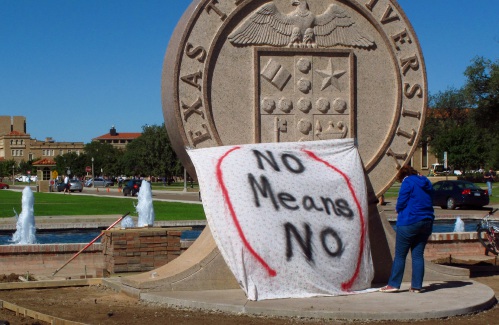 Opinion: In the fight to stop sexual violence, can polio hold the solutions?
 Opinion: Where are the permanent solutions for a more stable budget?

Your Daily Puzzles

An approachable redesign to a classic. Explore our "hints."

A quick daily flip. Finally, someone cracked the code on digital jigsaw puzzles.

Chess but with chaos: Every day is a unique, wacky board.

Word search but as a strategy game. Clearing the board feels really good.

Align the letters in just the right way to spell a word. And then more words.
Politics

New Hampshire school phone ban could be among strictest in the country
When Gov. Kelly Ayotte called on the state legislature to pass a school phone ban in January, the pivotal question wasn’t whether the widely popular policy would pass but how far it would go.
 Concord became a Housing Champion. Now, state lawmakers could eliminate the funding.
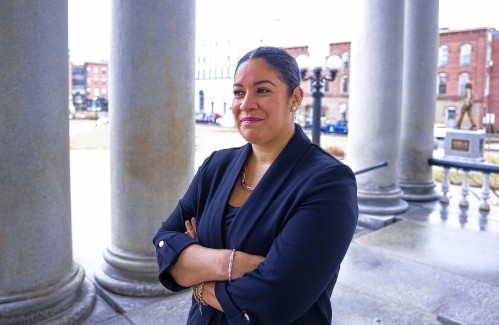 ‘A wild accusation’: House votes to nix Child Advocate after Rep. suggests legislative interference
  Sununu decides he won’t run for Senate despite praise from Trump
 Town elections offer preview of citizenship voting rules being considered nationwide
e-Edition
Arts & Life

A sneak peak of summer events in the Concord area
Getting excited for the summer and all it has to offer? Here’s a sneak preview of some of the most exciting events coming to the Concord area in the next few months!
 Pierce Manse reopens for the season
 Vintage Views: The Liars Club
 Two Villages Art Society begins summer members show
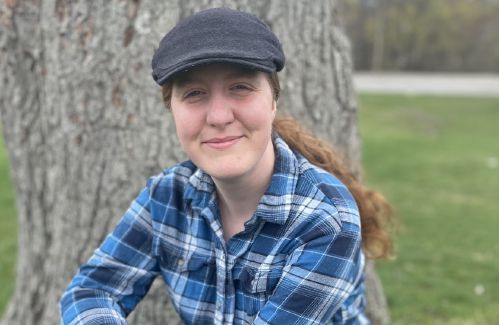 Artist Spotlight: Brittany Batchelder
Obituaries
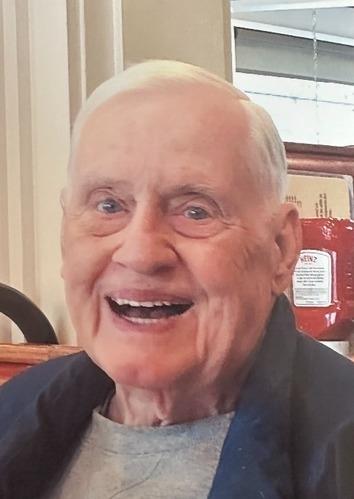 John C. Sweeney
Concord, NH - John C. Sweeney, 91, of Concord NH, passed away peacefully on Saturday, May 31st, 2025. John was born in Concord on February 5th, 1934, to Clarence and Luella (Palmer) Sweeney. He was a proud Marine, a great athlete, and a... remainder of obit for John C. Sweeney
 Jacqueline Edes
Dover, NH - Jacqueline "Jackie" Rae Edes, previously of Concord, NH, died peacefully in Dover, N.H. on May 4, 2025 after a heroic battle with a lengthy illness. She leaves her son Matthew, daughter-in-law Carolyn, grandchildren Viol... remainder of obit for Jacqueline Edes
 Paul Joseph Byers Jr.
Tilton, NH - Paul Joseph Byers Jr., aged 52, of Tilton NH, passed away suddenly on May 31, 2025, surrounded by loved ones at Concord Hospital. Born on June 17, 1972, in Methuen Massachusetts. Paul is remembered as a brilliant mind with ... remainder of obit for Paul Joseph Byers Jr.
 Lyman Cousens
Boscawen, NH - A Celebration of Life for Lyman Abbott Cousens III, 87, of Boscawen, who passed away on April 24, will be held at Winthrop Carter House, 215 King Street, Boscawen, NH, Tuesday, June 10 at 2:00 PM. Reception to follow. ... remainder of obit for Lyman Cousens

