
Latest News
 A time of reflection for Greek Easter
 House narrowly votes down mandatory teacher disclosure bill
 New Hampshire jury finds state liable for abuse at youth detention center and awards victim $38M
 House passes bill to raise minimum marriage age to 18, sending it to governor
 Jurors hear closing arguments in landmark case alleging abuse at New Hampshire youth center
 Opinion: New Hampshire, it’s time to acknowledge the stories of suffering
 High schools: Hopkinton lax sweeps opponents, more Thursday results
 Celtics turn off Heat; Cavs or Magic on deck
 Baseball: Merrimack Valley now 6-1 following wild game at Pembroke Academy

On the Trail: Navigating the politics of pro-Palestinian protests
The pro-Palestinian and anti-Israel protests over the fighting in Gaza that have swept across American college campuses reached New Hampshire this week.More than 100 arrests were made at the campuses of Dartmouth College in Hanover and the University...

The murky world of town and city flags in NH
When the Monitor ran a story recently that some residents in Boscawen were disagreeing about the design of a town flag, it produced this reaction among an awful lot of readers: “Wait – towns have flags?!? Who knew?”Not many people, it turns out,...
Most Read
 Franklin police arrest man after accidental shooting Wednesday
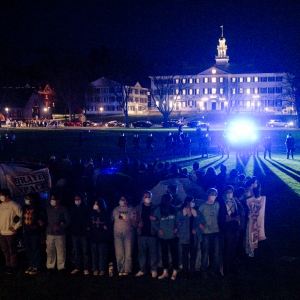 Update: Reactions for, against the more than 100 arrested at Dartmouth, UNH
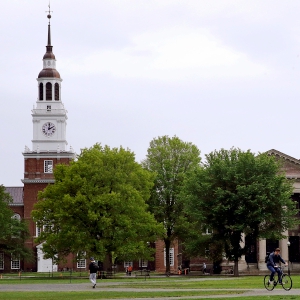 Kenyon: What makes Dartmouth different?
 Concord High graduate leads Pro-Palestine protests at Brown Univeristy
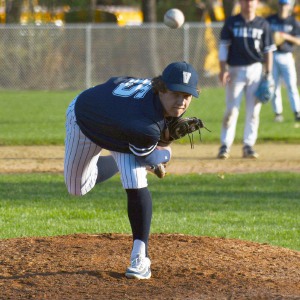 High schools: Wednesday’s baseball, softball, lacrosse and tennis results
 Spring sprouts downtown: outdoor dining, farmers market, First Friday
Editors Picks
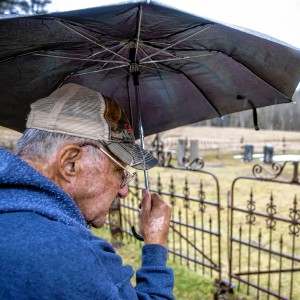 What’s in a name? Ask an Epsom Yeaton.
 Downtown cobbler breathes life into tired shoes, the environmentally friendly way
 People of color incarcerated at higher rates in New Hampshire, but data is limited
 Former Concord firefighter sues city, claiming years of homophobic sexual harassment, retaliation

Sports

High schools: Wednesday’s baseball, softball, lacrosse and tennis results
BaseballMerrimack Valley 3, Hanover 1Key players: MV — Landon Abbott (WP, 2 IP, 0 R; 2-for-3, run), Jonas Weed (5 IP, 12 K),Highlights: Eli Wormald’s RBI ground out tied the game, 1-1, and Cam Chevarie delivered an RBI double to put the Pride up 2-1....
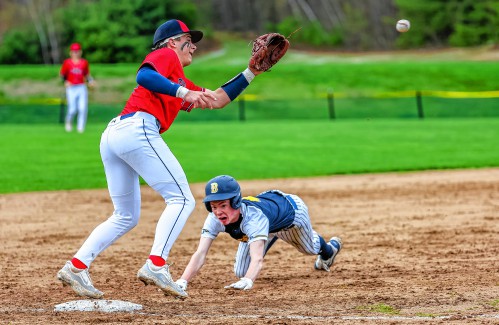 Baseball: Pitching and defense key John Stark’s win over Bow, Generals move to 8-0
 High schools: MV track piles up wins in quad meet, plus more results from Tuesday
 Conant’s Saucier moving over to Bow
 High schools: Monday’s baseball, softball, lacrosse and tennis results
Opinion

Opinion: A digital equity plan for Granite Staters
Patrick McDermott is AARP NH’s volunteer state president. New Hampshire has a historic opportunity to expand access to affordable, reliable, high-speed internet to everyone in the state, no matter where they live or their circumstances. Access,...
 Opinion: Look to facts in Medical Aid in Dying
 Opinion: In the debate on Medical Aid in Dying, facts matter
 Opinion: A veteran, father, and coach’s plea to reject homophobic laws
 Opinion: Ensuring access to banking for all NH communities

Politics
Charities will not have to pay rent to casinos under new law
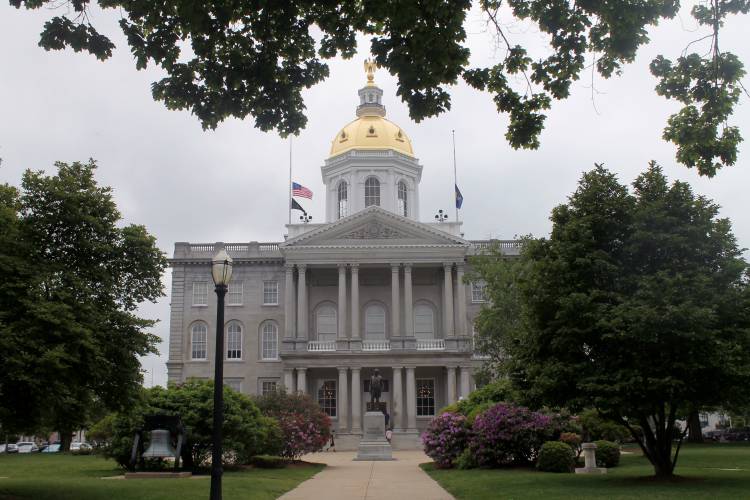
Deb Leahy can finally breathe easy, freed from the fluctuating rental fees each time her organization partners with a New Hampshire casino for donations.Thanks to a new law, casinos are now prohibited from imposing rent charges on charities for...
 Sununu says he’ll support Trump even if he’s convicted
 NH mayors want more help from state on homelessness prevention funds
 Two democrats with parallel views run for same State Senate seat
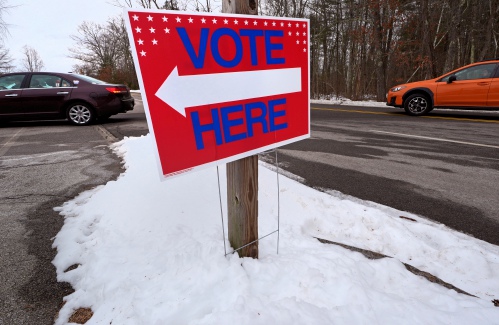 House passes bill removing exceptions to state voter ID law
e-Edition
Arts & Life

Vintage Views: The Simple Genius – John Clark
Some people travel through life and remain in the comfort of their routines as the years pass. Others leave the comfort of this journey and encounter situations that will challenge them on many levels. Such was the case with a gentleman named “Boston”...
 PILLAR Gallery + Projects opens fourth exhibition in Concord
 Concord Community Music School presents Bach’s Lunch: Hildaland
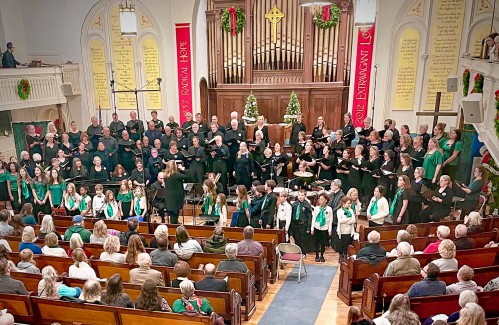 Concord Chorale presents ‘The Armed Man: A Mass for Peace’ by Karl Jenkins
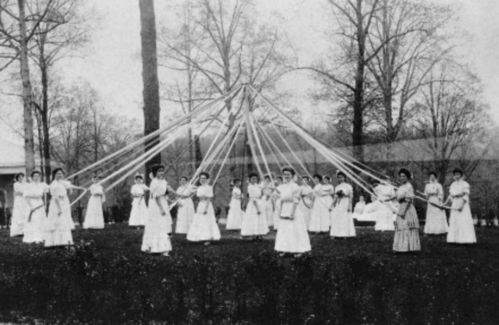 Vintage Views: Our beloved May Day with dancing, horn blowing
Obituaries
 Charles I. Dube
Charles I Dube Penacook, NH - Charles "Charlie" Dube, 92, of Penacook, NH died on April 29, 2024 at the Merrimack County Nursing Home in Boscawen following a brief illness. Charlie was born in Exeter, NH on February 8, 1932. He was the o... remainder of obit for Charles I. Dube
 Judith Hoeckele
Meredith, NH - Judith "Judy" M. Hoeckele, age 92, of Meredith, NH, passed away on Thursday, April 18th, 2024. She was born on Thursday, February 11th, 1932 in Altusried, Bavaria Germany. Judy is survived by her loving children, Roberta... remainder of obit for Judith Hoeckele
 Anne-Lee Verville
Concord, NH - Anne-Lee Verville passed away peacefully on April 27, 2024, at The Birches in Concord, NH. She was a beloved sister, aunt, godmother, cousin and friend. Anne-Lee was born in Concord on June 9, 1945, and grew up in Hopk... remainder of obit for Anne-Lee Verville
 Theresa Church
Loudon, NH - On the morning of April 26, 2024, Terry Church of Loudon, NH and Bradenton, Florida, closed her eyes and passed into the galaxy of stars of loved ones who journeyed before her. Her loving husband, Dan and niece, Robin were ... remainder of obit for Theresa Church

