

Latest News
 ‘No one tells you how to be an adult’: Concord father-son duo debuts disability and adulthood film on PBS
 High school lacrosse, tennis All-State rosters announced
 NHTI student competed in Miss Collegiate USA pageant: ‘A platform of kindness’
 ‘Friends-a-Palooza’ invites Concord community to practice kindness and outreach at Keach Park
 Man who wandered away from Mt. Washington summit found dead after long search
 Massachusetts man faces DWI charges after crash on I-93 in Hooksett

New Hampshire committee seeks to prevent domestic fatalities like murder-suicide in Berlin
Marisol Fuentes needed help.

Kearsarge Food Hub turns 10, celebrates new era of food security work
Kathleen Bigford regarded Bradford, like she did most of New Hampshire, as a greying place.
Most Read
 Surplus seller Ollie’s enters New Hampshire, opens in Belmont
 Riverbend to close adult mental health housing facility in Concord due to funding challenges
 Celebrating National Ice Cream Day with Richardson’s Farm: ‘Nobody else does what we do’
 City officials reject the work of an outside consultant hired to lead Concord’s diversity initiatives
 Affordable townhouse expansion gets green light
Editors Picks
 A Webster property was sold for unpaid taxes in 2021. Now, the former owner wants his money back
 Report to Readers: Your support helps us produce impactful reporting
 City prepares to clear, clean longstanding encampments in Healy Park
 Productive or poisonous? Yearslong clubhouse fight ends with council approval

Sports

Bow Brook Tennis Club hosts men’s A and B tournaments
The Bow Brook Club has a long history in Concord. Every year, except during breaks during both world wars, it has hosted a citywide men’s tennis tournament on red clay.
 Concord National LL Softball wins State Championship and moves on to Little League Regional Tournament
 Josiah Hakala of Beaver Meadow wins State Amateur golf championship
 Youngsters Richardson and Hakala move on, and veterans crash out at 122nd State Amateur Championship
 Athlete of the Week: Grace Saysaw, Concord High School
Opinion

Opinion: Trumpism in a dying democracy
 Opinion: What Coolidge’s century-old decision can teach us today
 Opinion: The art of diplomacy
 Opinion: After Roe: Three years of resistance, care and community
 Opinion: Iran and Gaza: A U.S. foreign policy of barbarism

Your Daily Puzzles

An approachable redesign to a classic. Explore our "hints."

A quick daily flip. Finally, someone cracked the code on digital jigsaw puzzles.

Chess but with chaos: Every day is a unique, wacky board.

Word search but as a strategy game. Clearing the board feels really good.

Align the letters in just the right way to spell a word. And then more words.
Politics
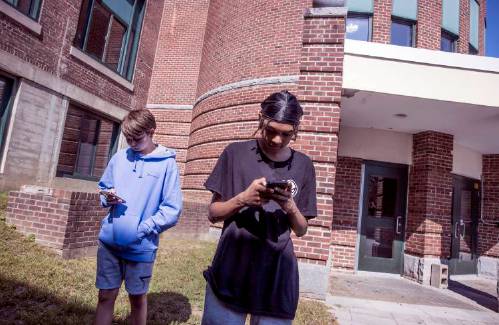
New Hampshire school phone ban could be among strictest in the country
When Gov. Kelly Ayotte called on the state legislature to pass a school phone ban in January, the pivotal question wasn’t whether the widely popular policy would pass but how far it would go.
 Concord became a Housing Champion. Now, state lawmakers could eliminate the funding.
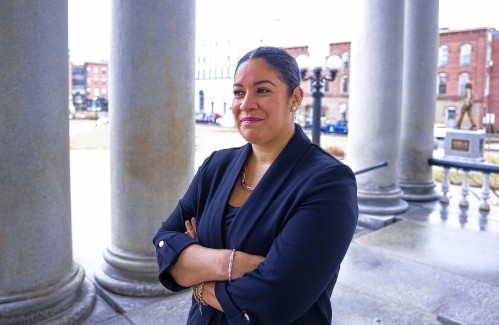 ‘A wild accusation’: House votes to nix Child Advocate after Rep. suggests legislative interference
 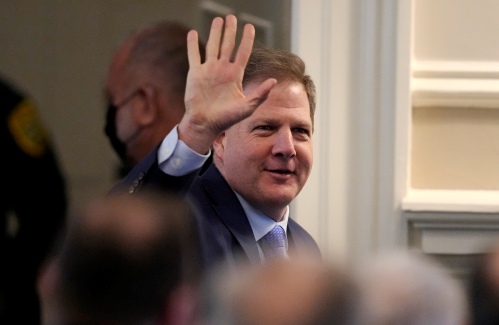 Sununu decides he won’t run for Senate despite praise from Trump
 Town elections offer preview of citizenship voting rules being considered nationwide
e-Edition
Arts & Life

Community Players of Concord celebrate 97th season, prepare for 98th
To celebrate the conclusion of their 97th season, the Community Players of Concord came together for an annual meeting including a pot-luck dinner and the presentation of a number of theatrical awards.
 Henniker Blues, Brews & BBQ Fest returns for fourth year
 Artist Spotlight: Holly Emrick
 Concert on the lawn coming to Pierce Manse
 Nate Lavallee, July Young Professional of the Month: Stretching toward strength, self-care and Southern NH wellness
Obituaries
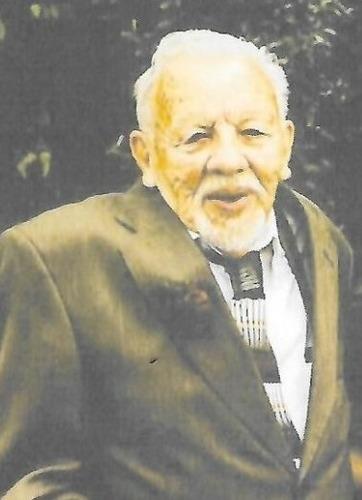 David Franklin Whitney
Hillsboro, NH - David F. Whitney 87, a lifelong resident of Hillsboro, NH., joined his bride Patricia A. (Wing) Whitney in Heaven Thursday June 26,2025. Born September 10, 1937 to Harry L. and Harriett S. Whitney at their home on Wh... remainder of obit for David Franklin Whitney
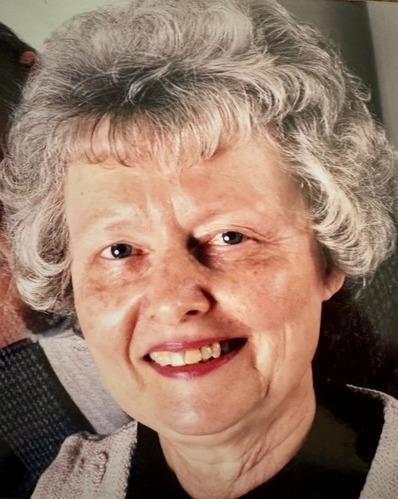 Myrna Prevost
Concord, NH - Myrna Braley Prevost, 88, died on July 11 at The Birches in Concord, New Hampshire. She was predeceased by her beloved husband of 62 years, Fernand Prevost. Myrna was born August 20, 1936, in Franklin, New Hampshire. The ... remainder of obit for Myrna Prevost
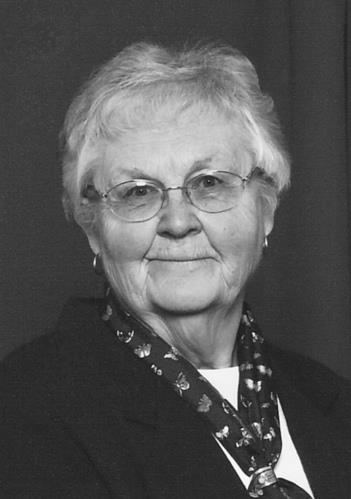 Annette Lamoreau Wolfe
Concord , NH - ANNETTE LAMOREAU WOLFE Passed away surrounded by family on -5/9/2025 at the age of 88 yrs old. She was born in Presque Isle, Maine, the daughter of the late Paul Lamoreau and Ruth (Hasey) Lamoreau. Annette is survived by ... remainder of obit for Annette Lamoreau Wolfe
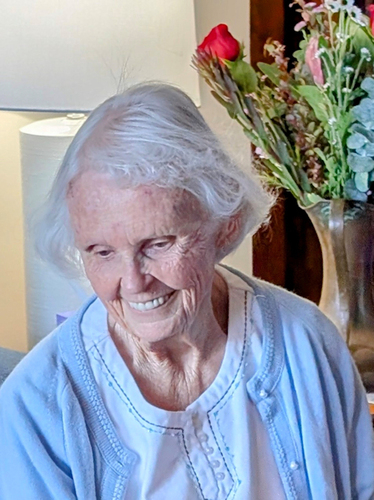 D. Jacqueline Lavigne
Tilton, NH - Dorothy Jacqueline "Jackie" Lavigne, a native of Nashua NH and a longtime prior resident of Tilton, NH and of Prescott Valley, AZ passed away on July 3, 2025 at the age of 92, with her devoted children by her bedside. A... remainder of obit for D. Jacqueline Lavigne

