

Latest News
 State reviewing sale of Camp Menotomy property in Meredith
 Lawmaker apologizes for comments directed at Walpole Rep. Weber
 As millions lose federal help to pay for internet, some areas aim to fill the gap
 Body of long-missing hiker found, pinned by boulder in Dry River
 Baseball: Undermanned, Belmont battles against one of the state’s top pitchers
 ‘Make sure it doesn’t get released;’ Star witness Michael Cohen implicates Trump in hush money case
 Bradley amendment seeks to give property owners faster action to get rid of squatters
 A jaunt around the pond: Laconia athlete plans run around Winnipesaukee
 We love NH, but it's the season of the ticks. Here's what to know.

UNH Faculty Senate calls on university to investigate police response to protest
The University of New Hampshire’s Faculty Senate passed a resolution Monday calling on the university to conduct an investigation of its police response to a May 1 pro-Palestine protest, according to two senators present.The resolution came 12 days...

Granite Geek: Can you grow radishes on the moon? NHTI students tried
If you, like me, often despair of producing a garden in the mix of stones, sand and grit that New Hampshire optimistically calls “soil,” remember that it could be worse. You could be working with dirt from the moon.“It’s hard to grow in this material....
Most Read
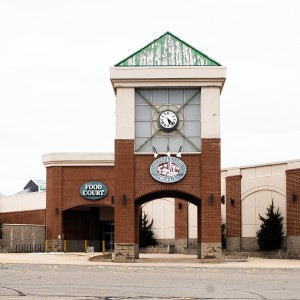 Neighboring landowner objection stalls Steeplegate redevelopment approval
 Women at work on Warren: New combined salon, spa, DIY and retail space opens in former Peter’s Images location
 As N.H. coal-fired plants shift to solar, offshore wind beckons
 In Franklin, a Hometown Hero remains busy, 12 years after retiring from the U.S. Postal Service
 For some older Jewish professors at Dartmouth and UNH, opposition to campus arrests feels personal
 ‘Paradise Paradox’ – mental-health issues amid the wonders of a ski town
Editors Picks
For some older Jewish professors at Dartmouth and UNH, opposition to campus arrests feels personal
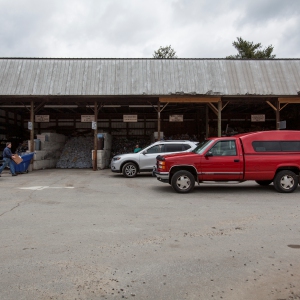 Hopkinton tries to nab out-of-town trash bandits
 New Hampshire Harm Reduction Coalition provides kits for safer drug use
 Driven by capital projects, city budget proposal would boost spending by $40 million

Sports

Baseball: Three takeaways from Concord’s tight game against Goffstown
CONCORD — In spite of Concord’s struggles this season, head coach Scott Owen’s never been disappointed with the effort from his group. That theme came up once again on Friday, when the Tide dropped a tight game against Goffstown, 3-2. Sophomore Alex...
 How has Hopkinton, one of the smallest public schools in New Hampshire, become such a lacrosse powerhouse?
 High schools: Concord girls’ 4x100-meter relay sets school record at Merrimack Invite, plus more track, baseball, lax and tennis results
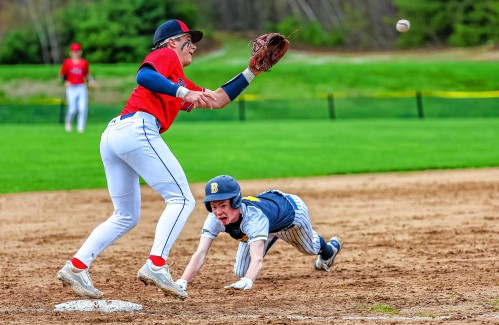 Monitor Sports launches new, once-a-week newsletter
 High schools: Concord baseball tops Memorial 11-1, plus more results from Wednesday
Opinion

Opinion: Bode Miller film, The Paradise Paradox, highlights mental health struggles in ski towns
Jim Doremus is chair of the board at Riverbend Community Mental Health. He lives in Henniker. Mental health is a serious concern in every corner of the Granite State, but a relatively hidden problem is the high incidence of depression, anxiety and...
 Opinion: Expanding the U.S. Supreme Court: An idea whose time has come
 Opinion: It’s hard to trust the nation’s adoption of antisemitism as its cause celebre
 Opinion: Vote for those rooted in serving the people, communities of our state
  Opinion: Entropy has been weighing on my mind and body

Your Daily Puzzles

An approachable redesign to a classic. Explore our "hints."

A quick daily flip. Finally, someone cracked the code on digital jigsaw puzzles.

Chess but with chaos: Every day is a unique, wacky board.

Word search but as a strategy game. Clearing the board feels really good.

Align the letters in just the right way to spell a word. And then more words.
Politics
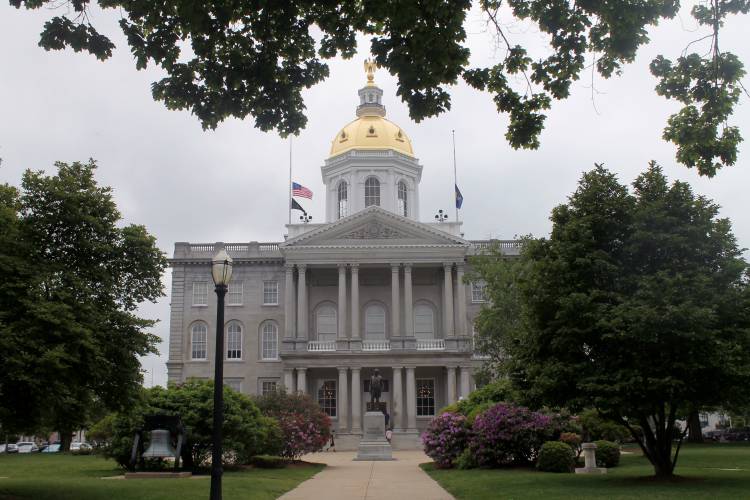
Bill advances allowing parental opt-outs for LGBTQ+ topics in school
In early May, Democrats in the House defeated the “Honesty in Education Act.” The bill was the latest effort to require public school teachers to answer parents when they ask about changes to their child’s gender identity. But another bill is moving...
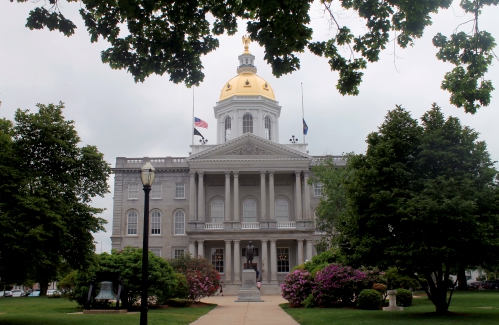 Transgender sports ban receives Senate committee support
 House passes bill to raise minimum marriage age to 18, sending it to governor
Charities will not have to pay rent to casinos under new law
House passes bill to raise minimum marriage age to 18, sending it to governor
Charities will not have to pay rent to casinos under new law
 Sununu says he’ll support Trump even if he’s convicted
e-Edition
Arts & Life

Vintage Views: The Concord Tree Planting Day of 1924
The citizens of Concord have always held the sanctity of trees very close to their hearts. When the first unpaved streets were established there was much discourse to travel the roads with the blaring sun of summer, frozen earth so bumpy to each horse...
 From the archives: A Dark Day for New England
 Found a baby bird? Here’s what to do
 Northeast Coffee Festival comes to Concord this weekend
 Henniker Handmade & Homegrown
Obituaries
 Elizabeth Black
Concord, NH - Elizabeth Leggett Black, aged 97, died peacefully in her sleep on April 27th at The Birches at Concord. She was born on February 16, 1927, and was raised in Pittsburgh, PA. Her parents were Milton W. Leggett and Lucile Sho... remainder of obit for Elizabeth Black
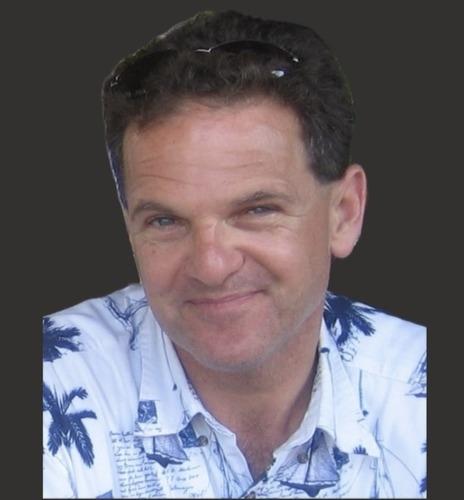 John Philip Dunlap
Concord, NH - John Philip Dunlap passed away in his sleep on April 17, at the age of 65, at his home in Sarasota, FL. John was born in Concord, NH on March 20, 1959, and raised in nearby Hopkinton. As a child, he was a voracious reader,... remainder of obit for John Philip Dunlap
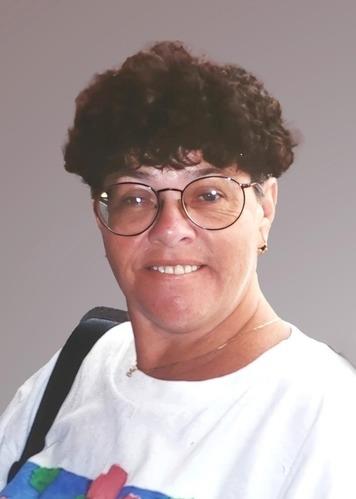 June Marie Rich
Laconia, NH - June Marie Rich, 74, of Provencal Road, passed away on Monday, May 6, 2024, at Concord Hospital in Laconia. June was born on December 16, 1949, in East Derry, NH, the daughter of Raymond and Marie (Marcotte) Larochelle. ... remainder of obit for June Marie Rich
 Michael Rayno
Concord, NH - Michael Rayno, age 76, of Stone Street in Concord passed away peacefully in his home on Saturday, March 30, 2024. He was born in Franklin, NH the son of the late Wilfred Preve and Sophia (Costa) Rayno. Michael was pro... remainder of obit for Michael Rayno

