
Latest News
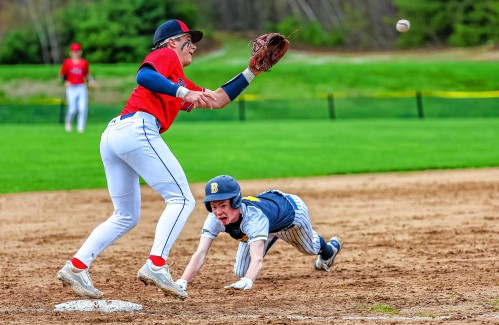
 Baseball: Three takeaways from Concord’s tight game against Goffstown
 Opinion: Building a heritage of integrity for the next generation.
 Opinion: Entropy has been weighing on my mind and body
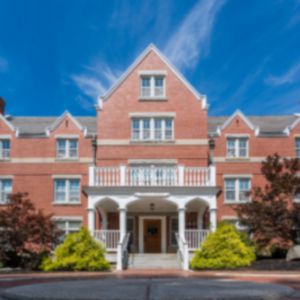 Budget Cuts Impact Mental Health Resources on Campus
 NH House passes bill that would boost caps on wrongful death claims
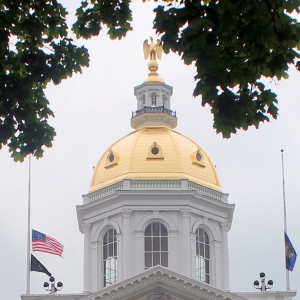 Lawmakers hear some good news about state revenues – and reasons for concern
 Monitor Sports Podcast — Catching up on the spring

New Hampshire Harm Reduction Coalition provides kits for safer drug use
Boxes filled with tourniquets, sterile water, bagged cotton and all the necessary supplies for safe drug administration are neatly arranged on the table within the office space of the New Hampshire Harm Reduction Coalition in Concord.Every Thursday,...

N.H. likely to contract with PFAS-destroying technology
If all goes as planned, a just-opened facility in Ohio may be destroying PFAS chemicals from New Hampshire fire departments later this year, the first step that could lead to a PFAS-destroying operation being built in New England.“This isn’t a forever...
Most Read
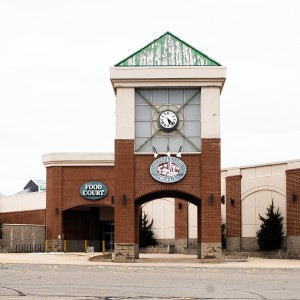 Neighboring landowner objection stalls Steeplegate redevelopment approval
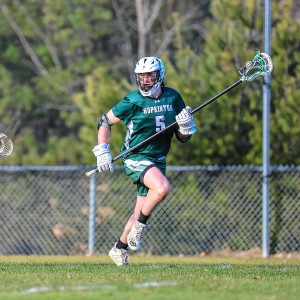 How has Hopkinton, one of the smallest public schools in New Hampshire, become such a lacrosse powerhouse?
 For some older Jewish professors at Dartmouth and UNH, opposition to campus arrests feels personal
 Northeast Coffee Festival comes to Concord this weekend
 Driven by capital projects, city budget proposal would boost spending by $40 million
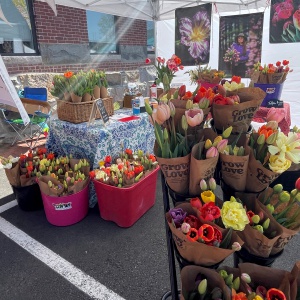 Henniker Handmade & Homegrown
Editors Picks
For some older Jewish professors at Dartmouth and UNH, opposition to campus arrests feels personal
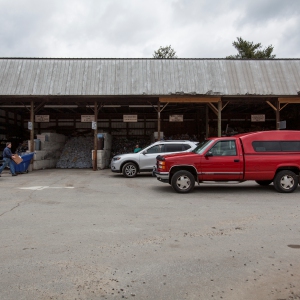 Hopkinton tries to nab out-of-town trash bandits
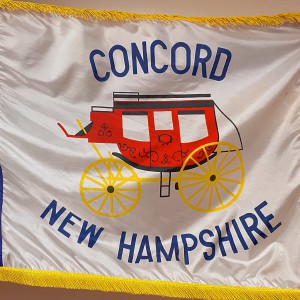 The murky world of town and city flags in NH
 Hopkinton chocolatier transforms chocolates into works of art

Sports

High schools: Concord girls’ 4x100-meter relay sets school record at Merrimack Invite, plus more track, baseball, lax and tennis results
Girls’ TrackConcord 2nd, Coe-Brown 11thKey players: Concord – Morgan Doherty (1st 100 hurdles in 15.53 seconds), Ella Goulas (1st triple jump at 37-6 1st high jump at 5-2), Shelly Smith (1st 3,200 in 11:34), Madeline Muller (2nd pole vault), Kendall...
 Monitor Sports launches new, once-a-week newsletter
 High schools: Concord baseball tops Memorial 11-1, plus more results from Wednesday
 Softball: Professional and precise, Coe-Brown continues dominant start to title-defense season
 Boys’ lacrosse: Through the lumps, Concord coach thinks young team is ahead of schedule
Opinion

Opinion: Vote for those rooted in serving the people, communities of our state
Former State Senator Deborah Reynolds, Plymouth. Former State Representative Polly Campion, Etna. Former State Representative Sue Ford, Easton. As we head into campaign season, and with Congresswoman Annie Kuster’s retirement this fall, New...
 Opinion: Suppressing student protests: It’s about Palestinian erasure, not antisemitism
 Opinion: Preserving our historic properties
 Opinion: An opportunity to help law enforcement protect children
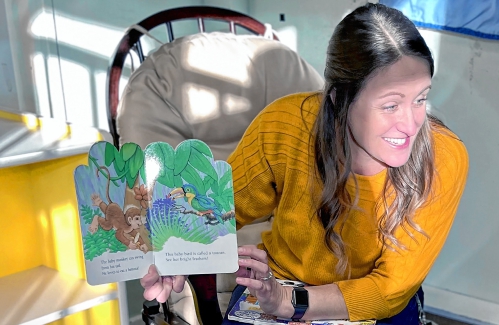 Opinion: Invest in child care for NH families

Politics
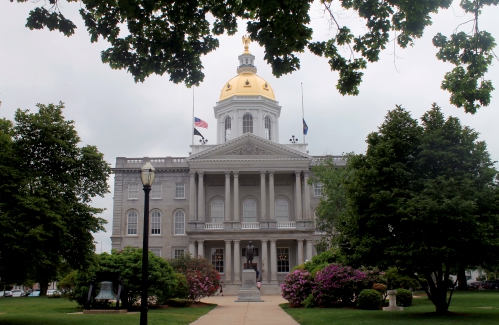
Transgender sports ban receives Senate committee support
A controversial bill that would ban transgender girls from participating on NHIAA- sanctioned girls’ sports teams in New Hampshire is expected to be voted on by the Senate next week, after it received support from the Senate’s Education Committee on...
 House passes bill to raise minimum marriage age to 18, sending it to governor
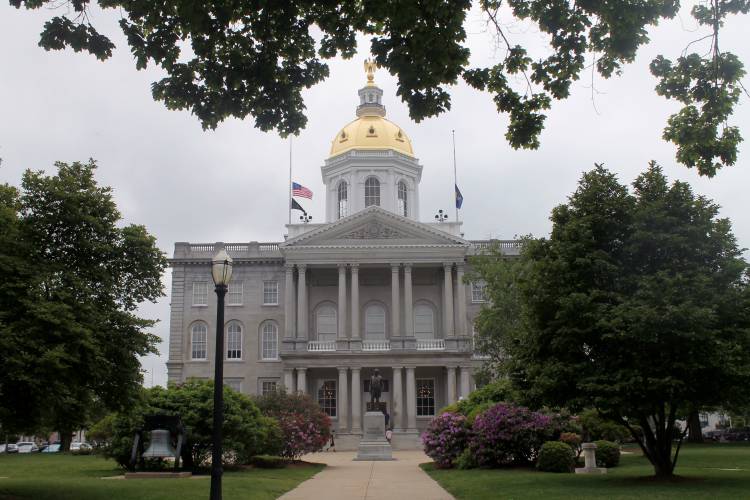 Charities will not have to pay rent to casinos under new law
 Sununu says he’ll support Trump even if he’s convicted
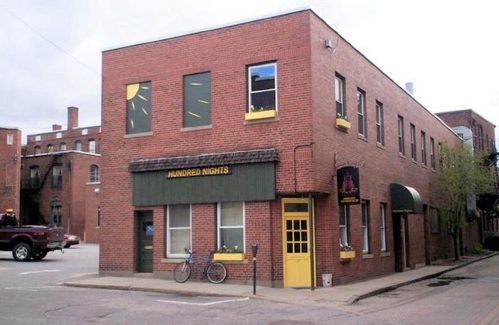 NH mayors want more help from state on homelessness prevention funds
e-Edition
Arts & Life

Vintage Views: The Concord Tree Planting Day of 1924
The citizens of Concord have always held the sanctity of trees very close to their hearts. When the first unpaved streets were established there was much discourse to travel the roads with the blaring sun of summer, frozen earth so bumpy to each horse...
 From the archives: A Dark Day for New England
 Found a baby bird? Here’s what to do
 Northeast Coffee Festival comes to Concord this weekend
 Henniker Handmade & Homegrown
Obituaries
 Kay Anderson Graves
Bow, NH - Kay Anderson Graves, 72, of Bow, passed away peacefully on May 7, 2024. Born in Concord, NH on February 24, 1952, she was the daughter of the late Elmer W. Anderson Jr. and Helene (Frost) Anderson. Kay grew up in Penacook,... remainder of obit for Kay Anderson Graves
 Kimball Preston
Bradford, NH - Kimball "Kimmy" Preston, 67, of Bradford, NH, passed away peacefully on May 4, 2024, at Hospice House in Concord, NH. As a young girl, Kim grew up in Old Greenwich, CT and later moved to New London,NH with her family whi... remainder of obit for Kimball Preston
 Dennis P. Fitzgerald
Londonderry, NH - Dennis Paul Fitzgerald, 81, of Londonderry, New Hampshire passed away peacefully on April 25, 2024. He was born in Sellersville, Pennsylvania on January 13, 1943 to the late Samuel W. Fitzgerald and the late Alverda E.... remainder of obit for Dennis P. Fitzgerald
 Donald R. Moore Jr.
Penacook, NH - Donald Richard Moore Jr., 74, of Penacook passed away suddenly on May 6, 2024. He was born on April 22,1950, the son of the late Donald Moore Sr., and Rachel (Nolin) Moore. He attended Bishop Brady High School. After gra... remainder of obit for Donald R. Moore Jr.

